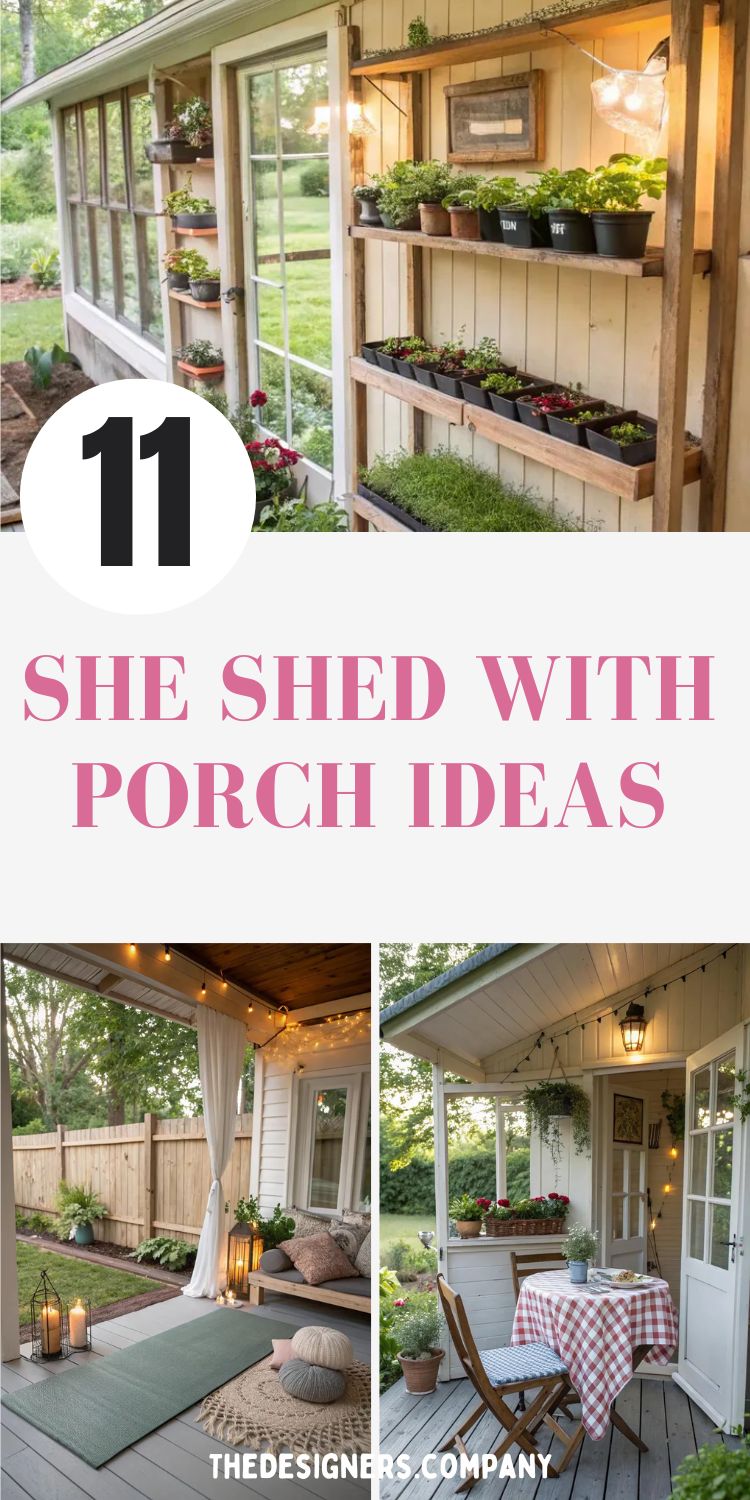
Pallet Garden Furniture Ideas: Create 20 Stunning Pieces for Pennies

Pallet garden furniture turns free or near-free shipping pallets ($0-$10 each from warehouses, hardware stores, and Craigslist) into functional outdoor pieces that cost 80-95% less than retail equivalents. A standard 48×40-inch heat-treated (HT-stamped) pallet yields enough lumber for a side table, planter, or shelf, while 3-6 pallets build a full sofa, daybed, or dining set for under $50 in additional materials (screws, sandpaper, stain).
The 20 pallet furniture ideas below cover sofas, bars, planters, dining tables, loungers, swings, shelving, herb gardens, dog beds, garden sheds, benches, daybeds, side tables, compost bins, privacy screens, picnic tables, sun loungers, vertical gardens, and potting benches. Visit The Designers Company for hundreds of additional outdoor project and garden guides.
1. Pallet Sofa
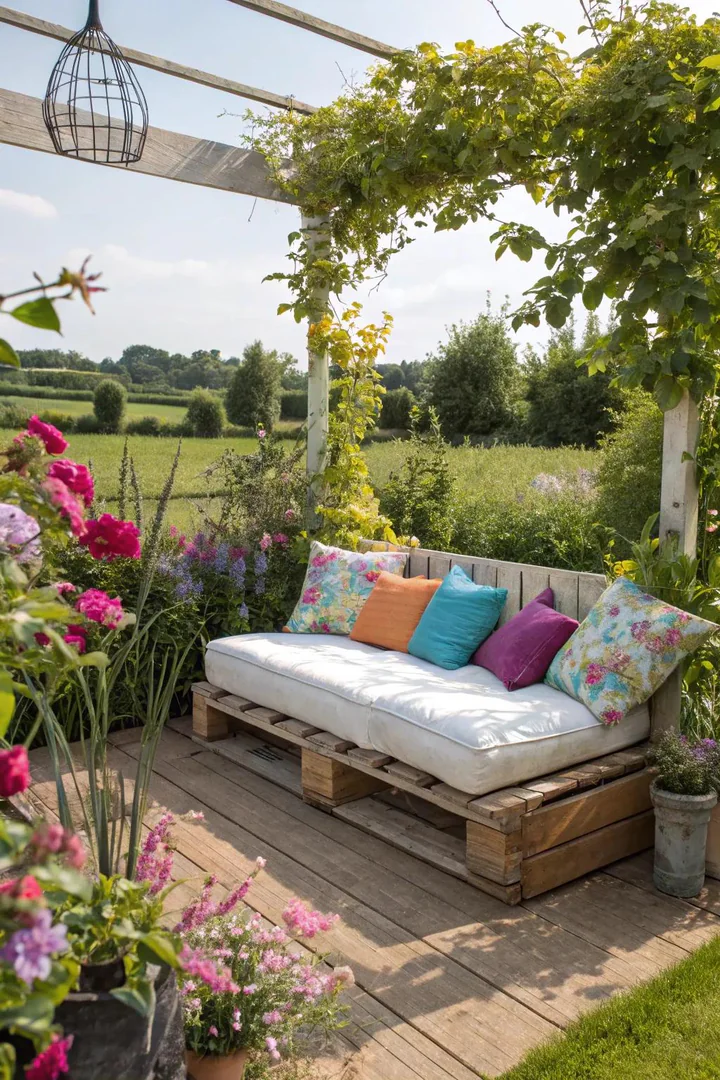
Stack two pallets flat for the seat base and stand a third pallet on end behind them as a backrest to create a 48-inch wide outdoor sofa that seats 2-3 people. Screw the seat pallets together with 3-inch deck screws ($8-$12 per box of 100), and bolt the backrest pallet to the seat with L-brackets ($3-$5 per pair) or a French cleat connection for a solid, non-rocking back support.
Top the seat with 4-6 inch outdoor cushions ($60-$150 for a set from Amazon, IKEA, or Walmart) cut to 48×40 inches or made from open-cell foam ($15-$30 per 4x24x72-inch slab from Jo-Ann or Amazon) wrapped in outdoor fabric ($10-$20 per yard of Sunbrella or outdoor canvas). Sand all surfaces with 80-grit then 120-grit sandpaper ($5-$10 per pack) to remove splinters, and stain or paint with exterior-rated finish ($15-$30 per quart) before adding cushions. A pallet sofa costs $30-$80 total versus $300-$800 for a comparable retail outdoor sofa.
2. Garden Party Bar
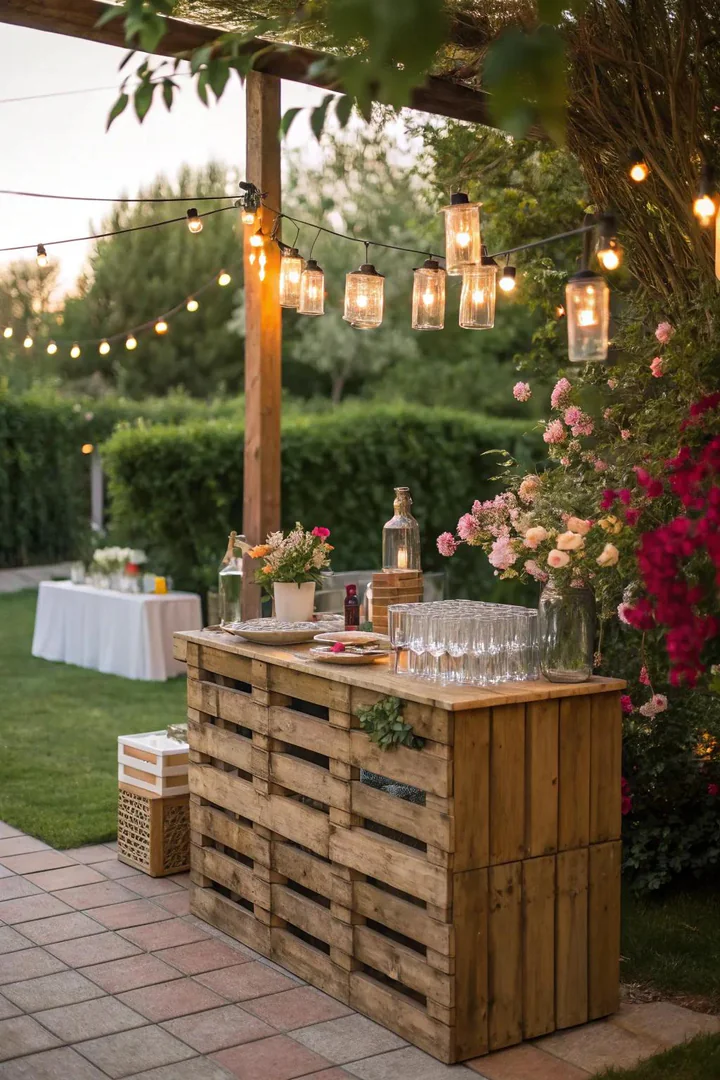
Stand two pallets on end side by side (96 inches total width, 40 inches tall) and screw a 1/2-inch plywood or reclaimed wood bartop ($15-$30 for a 2×8-foot piece) across the top for a garden bar that serves drinks, displays bottles, and holds a cooler. The slat gaps on the pallet face become built-in bottle and glass shelves on the bartender side.
Add a fold-down shelf ($5-$10 in scrap wood and two hinges) on the guest side for a drink rest that folds flat when not in use. Mount a bottle opener ($5-$10 from Amazon) on the end post, and hang 2-3 hooks ($2-$5 each) for towels and utensils. Stain the bar in a dark walnut or weathered gray finish for a pub look, or paint in a bright color (turquoise, coral, yellow) for a tropical feel. A pallet bar breaks down into flat components for winter storage and reassembles in 15 minutes for the next gathering.
3. Pallet Planter Box
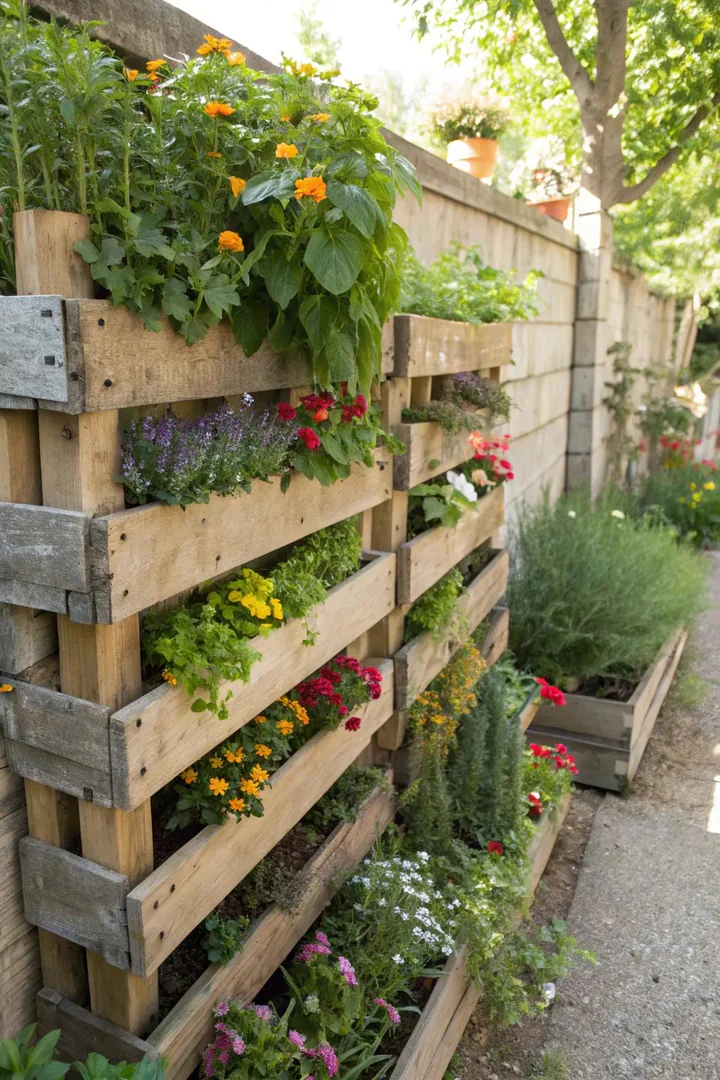
Disassemble a pallet and reassemble the boards into a raised planter box (24-48 inches long, 12-18 inches wide, 12-18 inches tall) using 3-inch deck screws and 2×2 corner posts ($2-$4 per 8-foot length) as the inner frame. Line the inside with heavy-duty plastic sheeting ($5-$10 per roll) or a pond liner scrap to hold soil and moisture away from the wood.
Drill 4-6 drainage holes (1/2-inch diameter) through the bottom of the planter and line the holes with garden fabric ($5-$10 per small roll) to prevent soil from washing through. Fill with a mix of potting soil and compost ($10-$20 per bag) and plant herbs (basil, rosemary, thyme), flowers (marigolds, petunias, zinnias), or salad greens (lettuce, arugula, spinach). A raised pallet planter costs $5-$15 in materials versus $30-$80 for a comparable cedar or composite planter box from a garden center.
4. Outdoor Dining Table
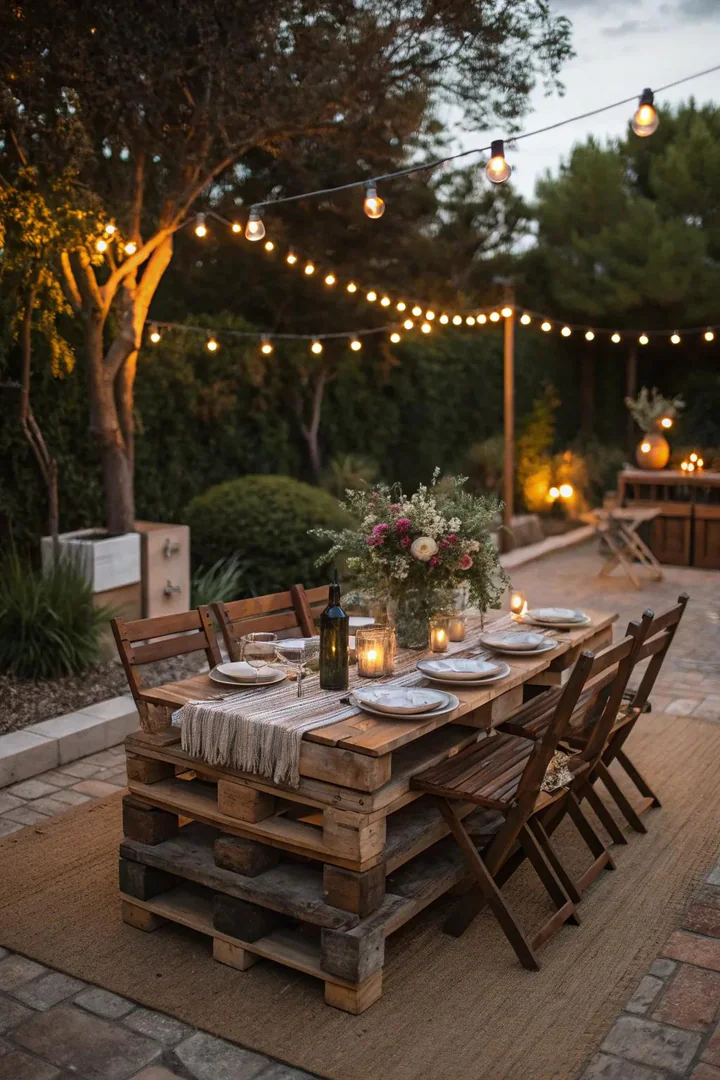
A dining table built from two pallets stacked and topped with a smooth surface (1/4-inch plywood, a sheet of tempered glass, or sanded and filled pallet boards) seats 4-6 people for outdoor meals. Stack two pallets for a standard 30-inch dining height, or use one pallet on 16-inch hairpin legs ($20-$40 for a set of 4 from Amazon or Etsy) for a cleaner, café-table look.
Fill the gaps between the top pallet’s deck boards with wood filler ($5-$10 per tube of Minwax or DAP) and sand smooth for a flat surface that won’t tip glasses or catch crumbs. Apply 2-3 coats of exterior polyurethane ($12-$18 per quart) for a waterproof finish that wipes clean after meals. Pair the pallet dining table with matching pallet benches (item #12 in this list) for a coordinated outdoor dining set that costs $50-$100 total in materials.
5. Pallet Lounger
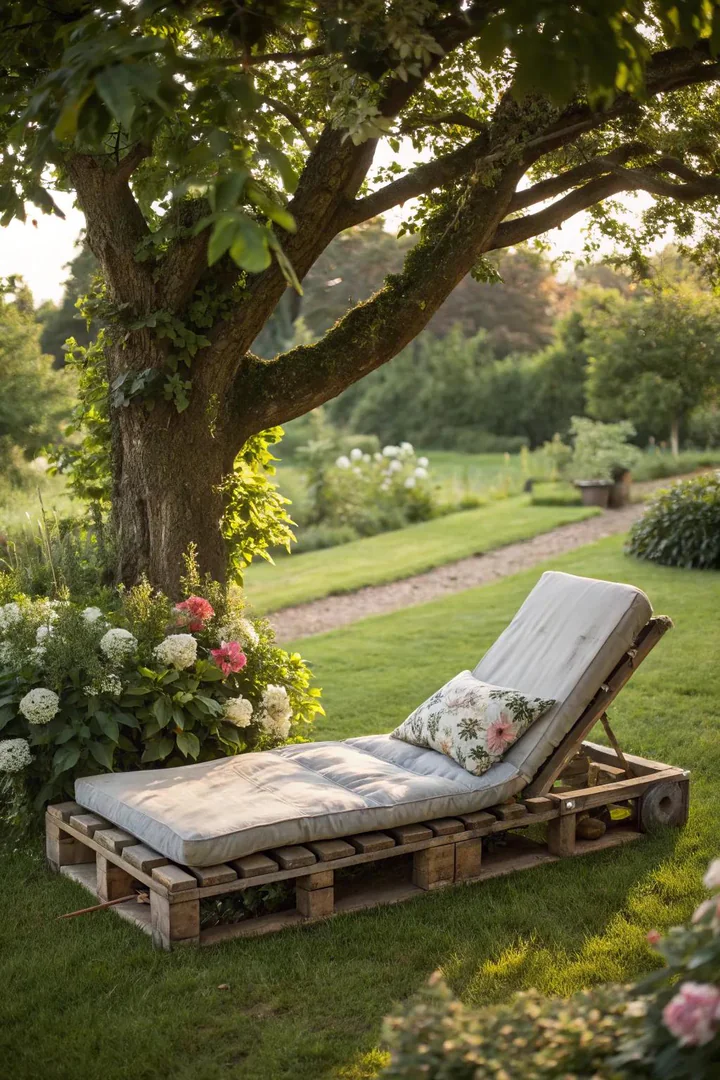
A pallet lounger uses one full pallet as the seat base and a second pallet cut and hinged as an adjustable backrest that reclines to 3-4 angle positions. Cut the backrest pallet to 40×30 inches (removing one section of deck boards), attach with heavy-duty gate hinges ($8-$15 per pair), and prop the desired angle with a notched 2×4 support arm ($2-$4) that locks into position.
Add 4 caster wheels ($10-$20 for a set of 4 from Amazon or a hardware store) to the bottom of the seat pallet for a rolling lounger that follows the sun across the patio. Top with a twin-size outdoor mattress pad ($30-$60 from Amazon) or a DIY cushion made from a folded camping pad ($15-$30) wrapped in outdoor fabric. A pallet lounger delivers the same reclined seating position as a $200-$400 retail chaise lounge for $20-$50 in materials.
6. Pallet Swing
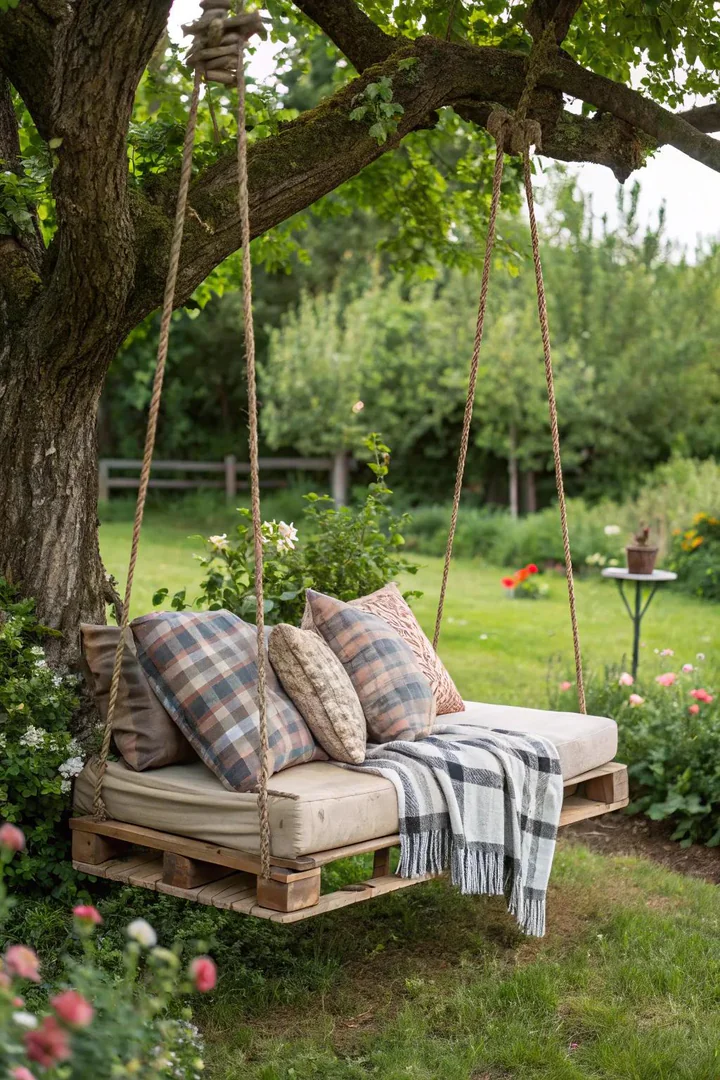
A single pallet suspended horizontally from 4 ropes or chains creates a hanging swing bed that seats 2 adults or makes a wide platform for one person to lie flat. Use 3/4-inch braided nylon rope ($15-$25 for a 50-foot coil) or 3/16-inch welded chain ($8-$15 for 20 feet from a hardware store) at each corner, tied or shackled to a sturdy tree branch, pergola beam, or porch ceiling joist rated for 500+ pounds.
Drill 1-inch holes through the pallet at each corner (through both the deck board and the stringer) for the rope to pass through, and tie a stopper knot (figure-eight or bowline) under each hole to prevent pull-through. Sand the entire pallet smooth and add a twin-size foam pad or a stack of outdoor pillows for comfortable lounging. A pallet swing works best hung 18-24 inches off the ground with 4-5 feet of clearance on all sides for a gentle swinging motion.
7. Pallet Shelving Unit
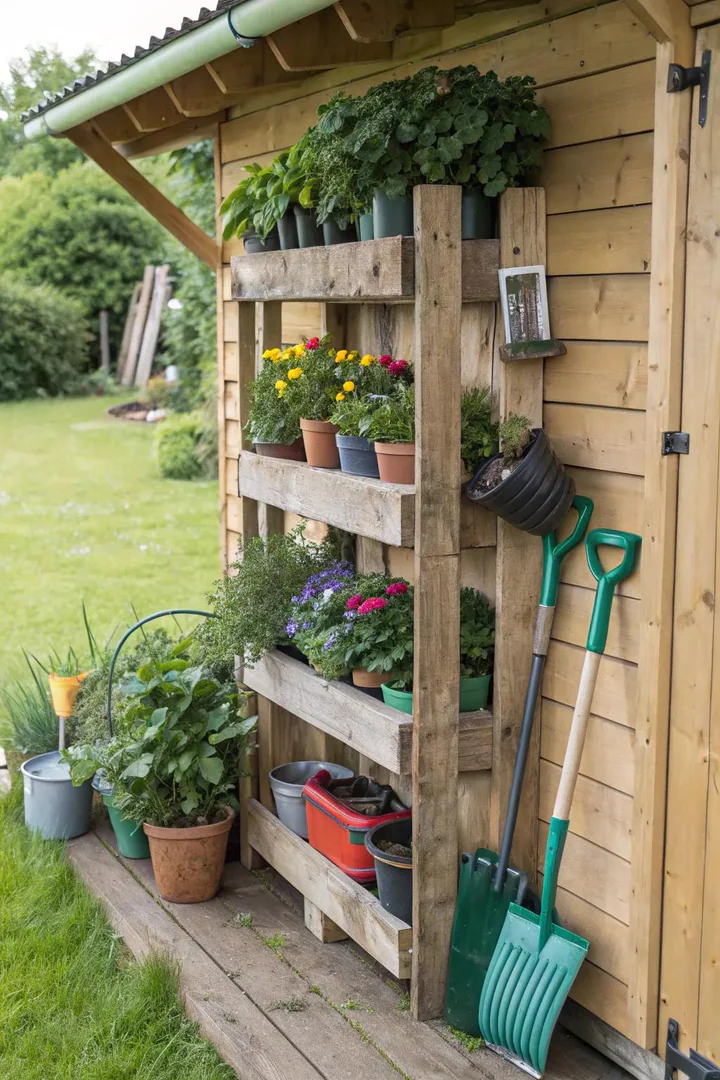
Stand a pallet on end and mount it to a wall or fence for instant shelving where the slat gaps become display ledges for small pots, candles, garden tools, and decorative objects. Each slat gap on a standard pallet provides a 3-4 inch deep shelf that holds a 4-inch pot, a mason jar, or a small herb container. A single pallet provides 6-8 shelf positions in a 48×40-inch wall footprint.
Add 2-3 small L-brackets ($2-$4 per pair) screwed to the face of the pallet at different heights for wider shelf surfaces that hold larger items. Sand and stain or whitewash ($10-$15 for a small can of white stain or diluted paint) the pallet for a finished look that suits a garden shed wall, a patio fence, or a covered porch. Mount with 2 heavy-duty screws or lag bolts ($2-$5) into wall studs or fence posts, since a loaded shelf unit can weigh 30-60 pounds.
8. Pallet Herb Garden
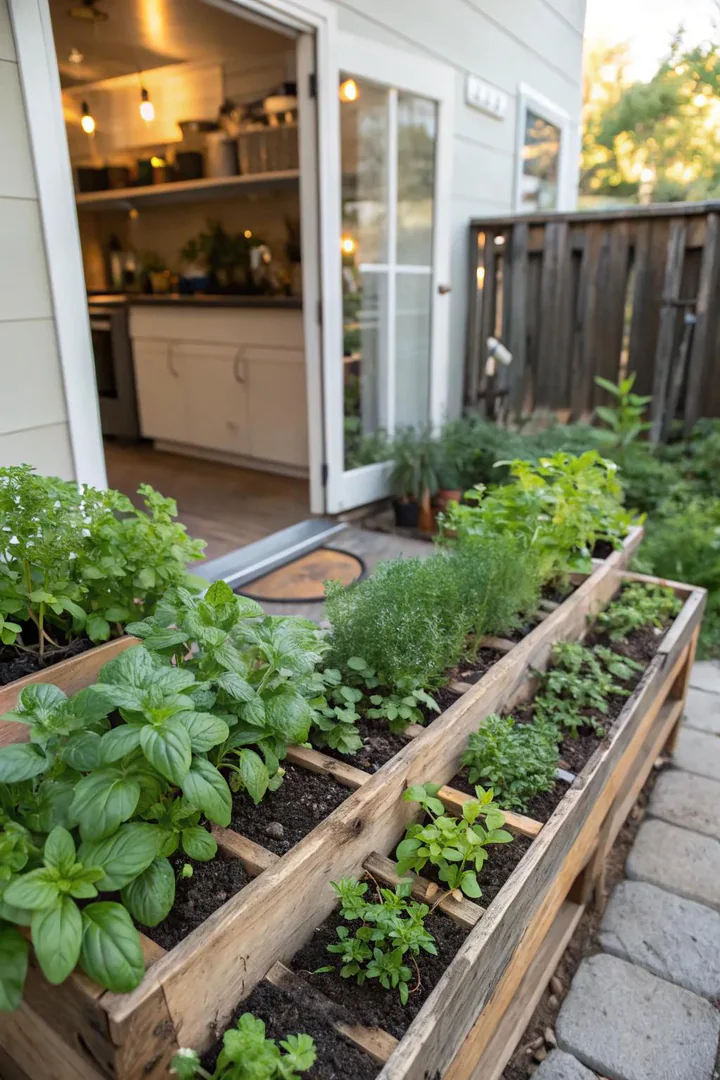
Lay a pallet flat, staple garden fabric across the bottom and back, fill the spaces between the deck boards with potting soil, and plant herbs (basil, oregano, thyme, rosemary, parsley, chives, mint) between the slats for a horizontal herb garden that grows 6-10 varieties in a 48×40-inch footprint. Alternatively, lean the planted pallet at an angle against a sunny wall for a vertical herb display.
Start herbs from transplants ($2-$5 per 4-inch pot from a garden center or grocery store) rather than seed for faster coverage and a fuller look within 2-3 weeks. Water from the top and let gravity carry moisture through the soil to all planting pockets. A pallet herb garden costs $15-$30 total (pallet + soil + transplants) versus $40-$100 for a tiered herb planter from a garden supplier. Position in a spot that receives 6-8 hours of direct sun daily for the strongest herb flavor and the bushiest growth.
9. Pallet Dog Bed
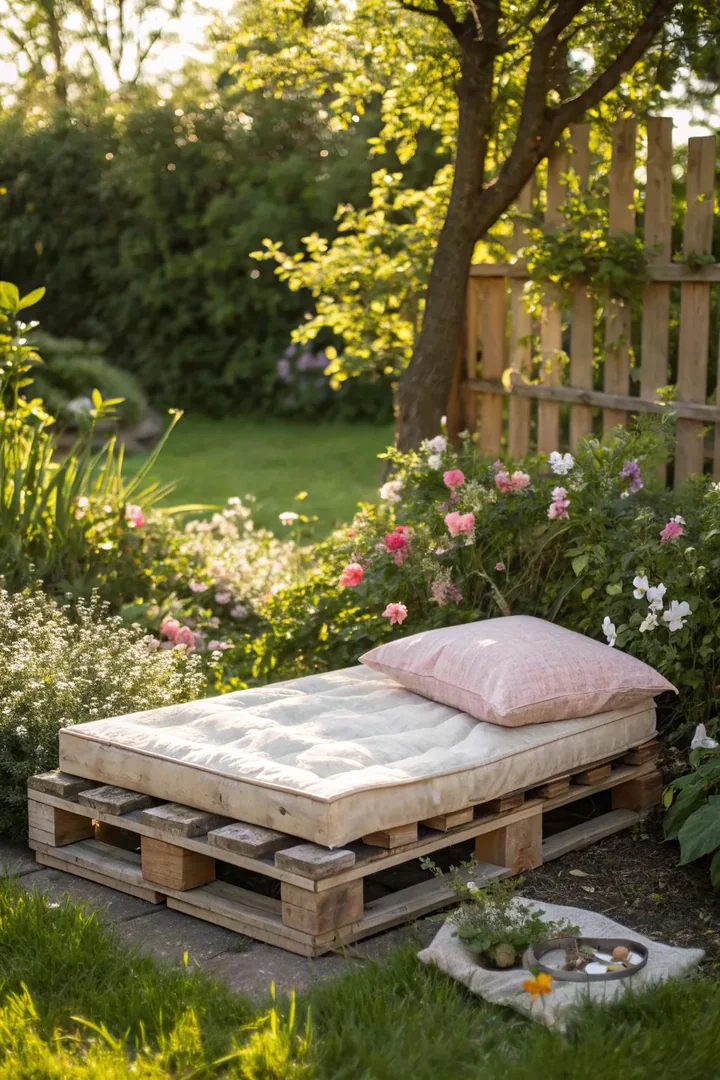
A half-pallet or trimmed pallet (cut to 30×36 inches for a medium dog, 36×48 for a large dog) with one side rail left standing as a headboard and three sides cut to 4-6 inch height creates a raised dog bed that keeps the cushion off the damp ground. Sand all surfaces thoroughly (80-grit then 120-grit) to eliminate splinters that can injure paw pads and noses.
Seal with a pet-safe exterior stain or paint (AFM Safecoat, ECOS, or any zero-VOC exterior finish, $15-$30 per quart) and let cure for 5-7 days before use so all solvents off-gas fully. Drop a waterproof dog bed insert ($20-$40 from Chewy, Amazon, or PetSmart) or a DIY cushion (old pillows inside a zip-off washable cover, $10-$15 in fabric) into the pallet frame. A pallet dog bed suits covered porches, patios, and poolsides where pets need their own designated spot out of the direct sun.
10. Pallet Garden Shed Wall
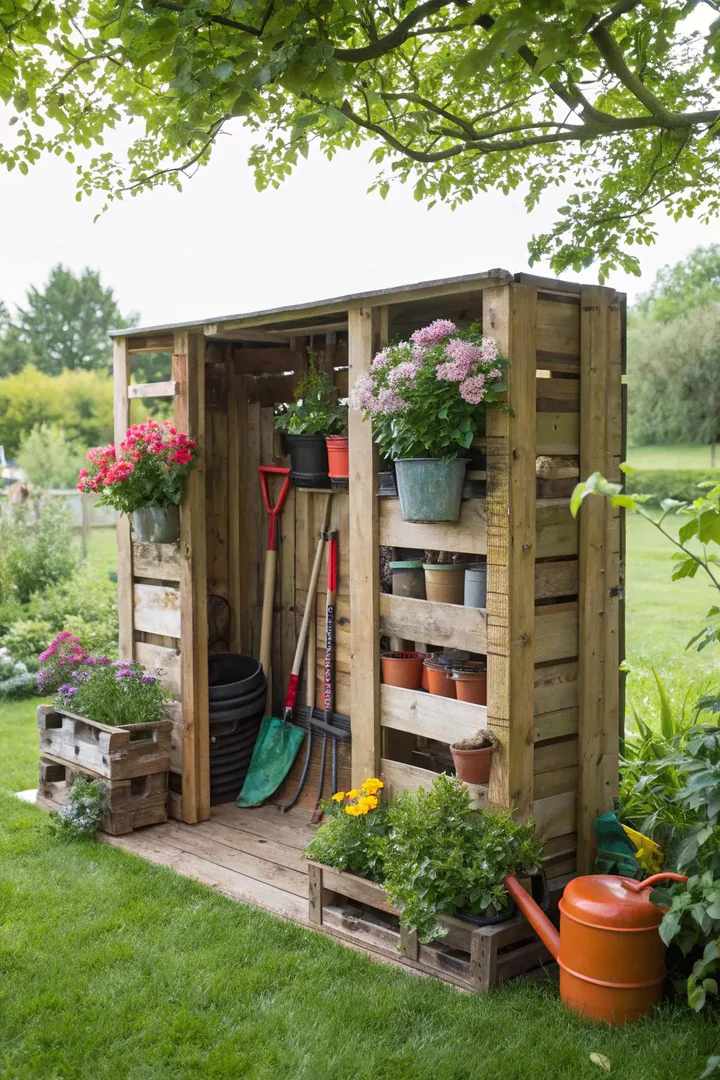
Stand 6-8 pallets on end in a rectangle and screw them together at the corners and joints for the walls of a garden storage shed ($0-$30 in pallets and screws versus $200-$1,000 for a pre-built resin or metal shed). Fill the pallet wall cavities with fiberglass insulation ($20-$40 per roll) or leave them open for natural ventilation. Top the walls with a simple shed roof built from 2×4 rafters ($4-$6 per 8-foot board) and corrugated metal panels ($1.50-$3 per square foot).
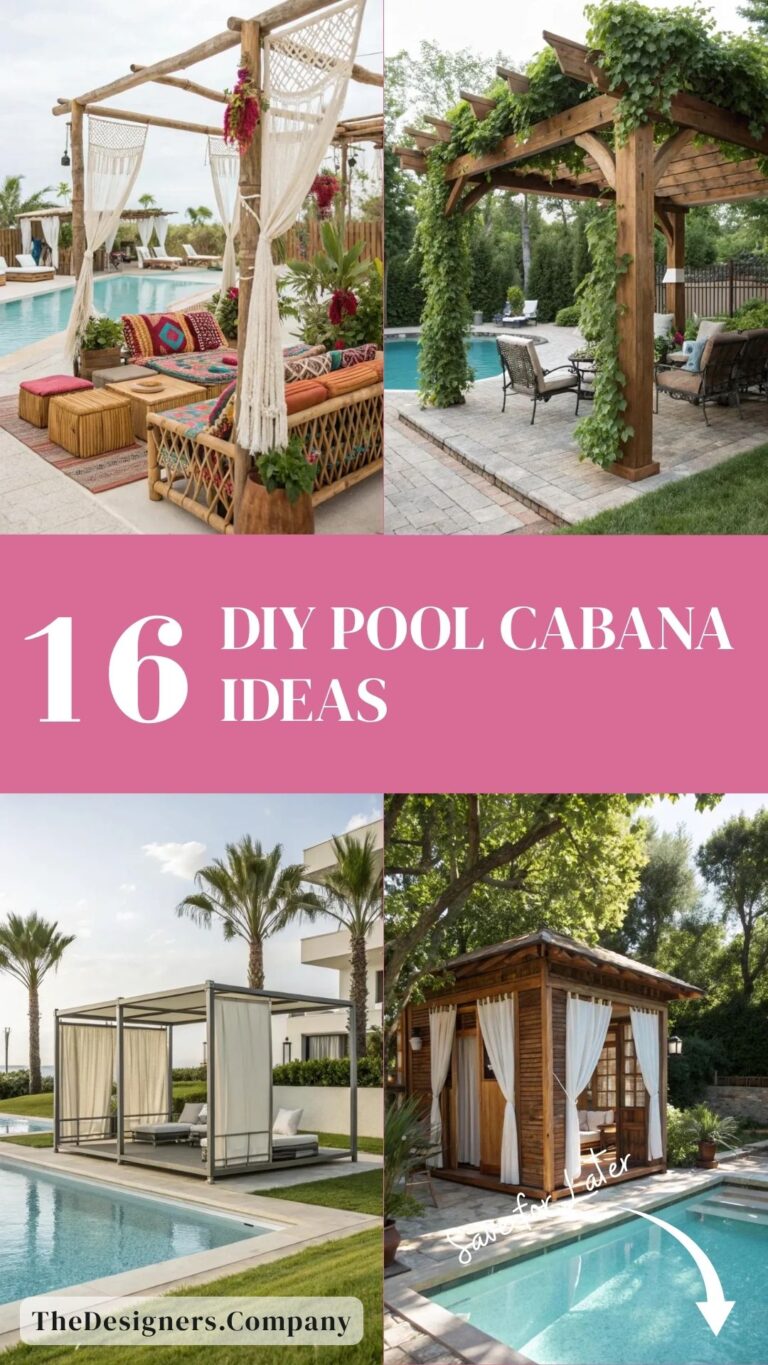
Add a pallet door on strap hinges ($5-$10 per pair) and a hasp lock ($5-$8) for a secure, functional entry. Clad the exterior with reclaimed boards, plywood sheets, or additional pallet boards nailed horizontally for a finished siding look that sheds rain. A pallet garden shed stores mowers, trimmers, hoses, pots, soil bags, and seasonal decorations in a weather-protected enclosure that costs a fraction of retail sheds. Check DIY pool cabana ideas for more pallet-based outdoor building techniques.
11. Pallet Outdoor Bar
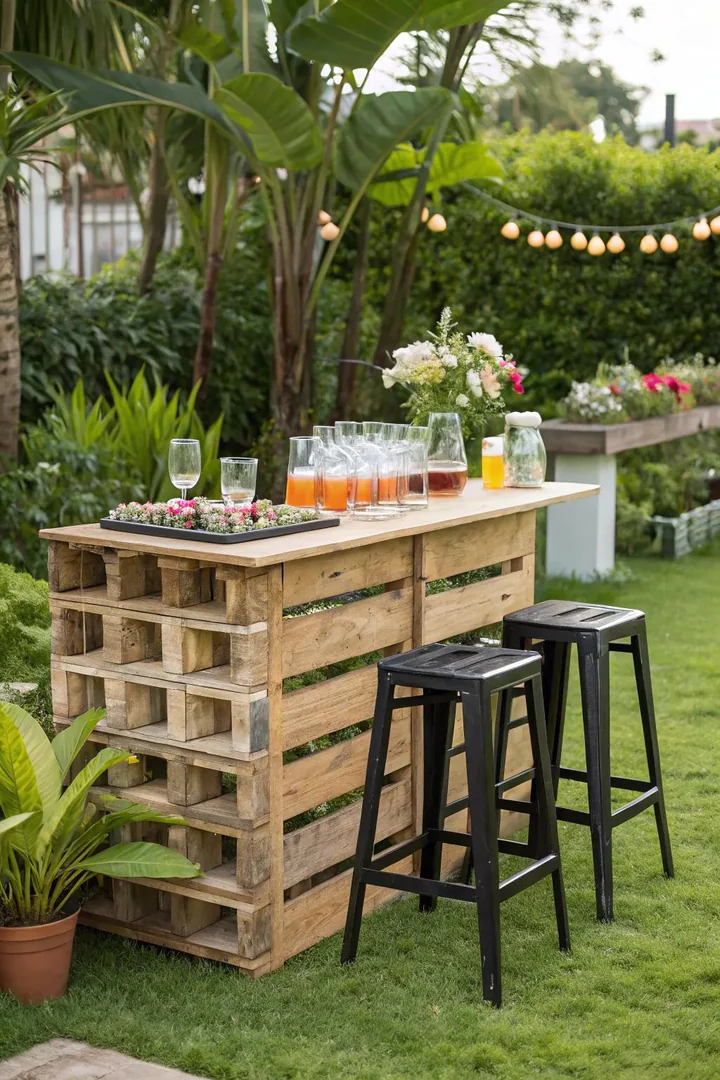
A tall pallet bar (42-inch bar height) uses 2 pallets stacked vertically with a smooth plywood or butcher-block bartop for a full-height serving station that accommodates bar stools ($30-$80 each). Build the bar frame from two pallets stood on their long edges, screw together at the contact points, and cap with a 12-18 inch deep bartop overhang on the guest side for knee clearance and drink space.
Mount a bottle shelf ($5-$10 in scrap wood and brackets) on the bartender side using the pallet slat gaps as built-in supports. Add a foot rail along the guest side base (a 1-inch steel pipe or thick dowel, $5-$15) for bar stool comfort. Finish the bartop with epoxy resin ($30-$50 per kit from TotalBoat or Stone Coat Countertops) over the raw wood for a waterproof, high-gloss surface that cleans up easily after spills. A pallet outdoor bar costs $40-$100 total versus $200-$600 for a comparable retail outdoor bar.
12. Pallet Bench
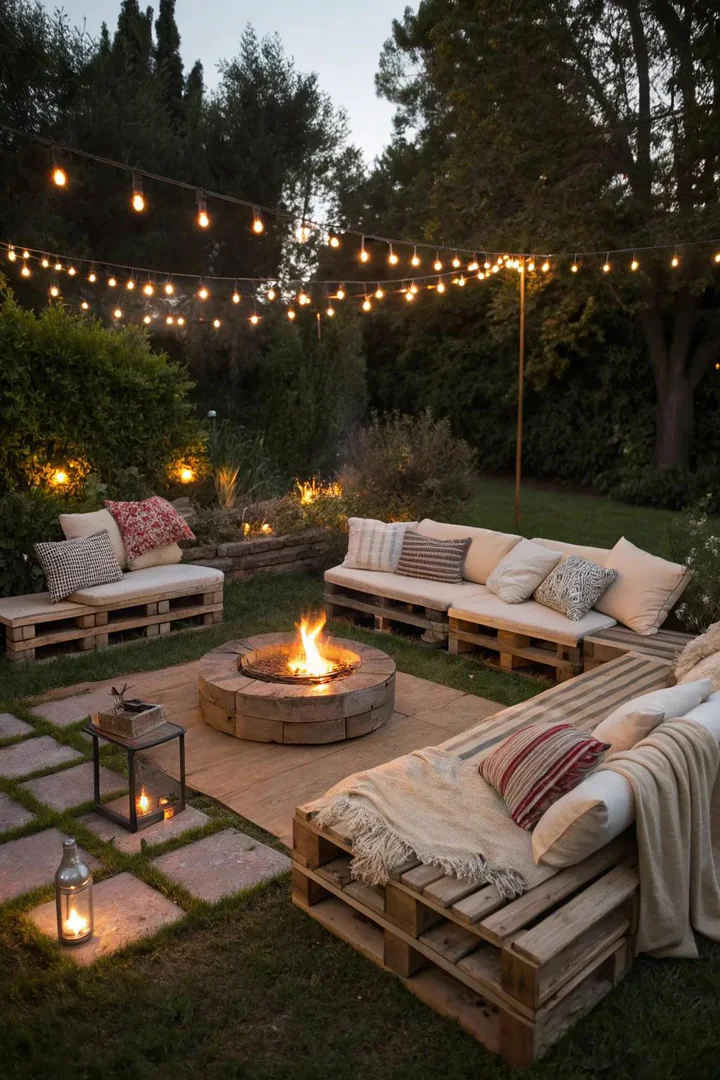
A pallet bench uses one pallet flat as the seat (18 inches off the ground on 4×4 or cinder block legs) and a half-pallet or trimmed pallet as the backrest angled at 95-100 degrees for comfortable upright seating. Cut a full pallet in half lengthwise (24×48 inches) and screw the cut section to the back edge of the seat pallet with 3-inch deck screws and L-brackets ($3-$5 per pair) for a stable backrest.
Support the seat pallet on short 4×4 post legs (18-inch lengths, $3-$5 each) or stacked cinder blocks ($1-$2 each) screwed or bolted to the pallet stringers. A pallet bench seats 2-3 people and costs $10-$25 in materials versus $80-$200 for a comparable garden bench from a home improvement store. Build 2-4 matching benches to surround a fire pit, border a garden path, or line a patio edge for unified seating that uses the same material and finish throughout.
13. Pallet Daybed
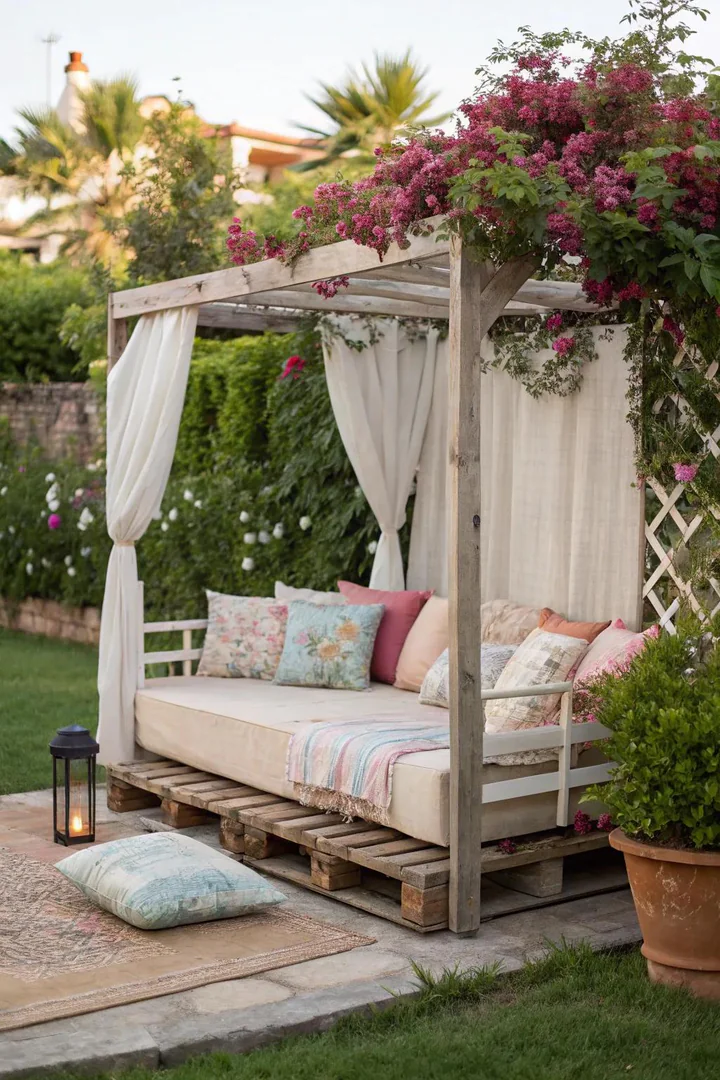
Stack 2-3 pallets flat (two for the base, one optional as a raised headboard section) for a full-size outdoor daybed that accommodates a standard twin mattress (38×75 inches) or a twin-size outdoor mattress pad ($50-$100 from Amazon or IKEA). The stacked pallet base raises the mattress 10-12 inches off the ground for easy access and airflow underneath.
Add caster wheels ($10-$20 for a set of 4) to the bottom pallet for a rolling daybed that repositions easily for sun or shade. Build a simple canopy frame from 4 tall posts (2×2 lumber, 6 feet above the mattress) with a shade cloth ($15-$30 from Amazon or a garden center) draped across the top for sun protection during daytime napping. A pallet daybed serves as poolside lounging, an outdoor reading spot, a guest bed for summer visitors, and a stargazing platform on clear nights.
14. Pallet Side Table
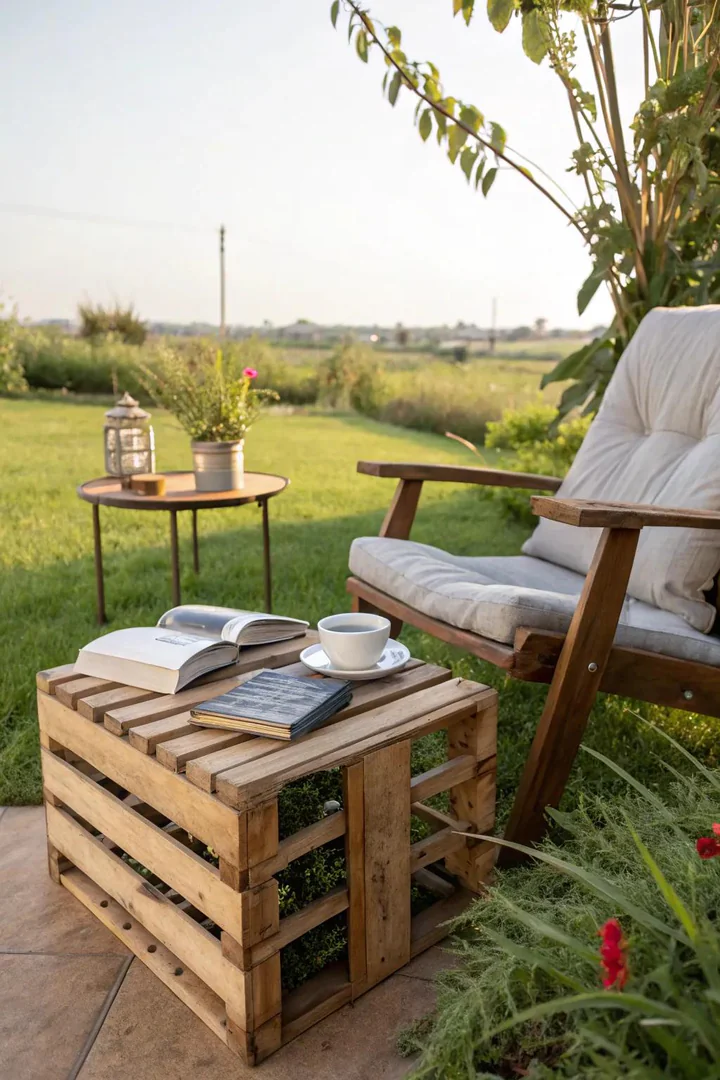
Cut a pallet into a 24×24-inch or 20×20-inch section (one stringer block plus 3-4 deck boards on each face) for a cube-shaped side table that stands 5-6 inches tall on its own or mounts on 12-inch hairpin legs ($12-$20 for a set of 4) for a lifted end table. The open slat sides hold magazines, books, and small garden tools in the gaps between the boards.
Sand the top surface smooth and apply 2 coats of exterior polyurethane ($12-$18 per quart) or a colored stain for a water-resistant finish that handles sweating glasses and rain splashes. A pallet side table costs $5-$15 total and takes under 30 minutes to cut, sand, and finish. Build a matching pair for either side of a pallet sofa or daybed for a coordinated living room setup that started as free shipping material.
15. Pallet Compost Bin
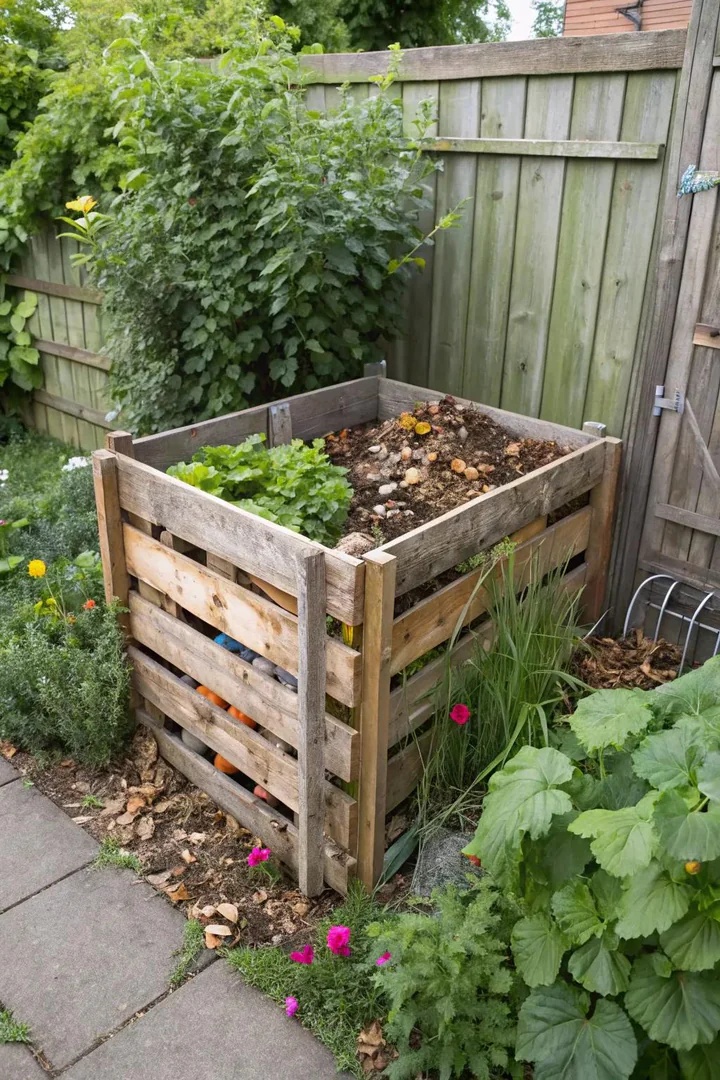
Stand 3-4 pallets on end in a square or U-shape and wire or screw them together at the corners for an open-top compost bin that holds 1-2 cubic yards of yard waste and kitchen scraps. The open-slat pallet walls allow air to circulate through the compost pile from all sides, producing faster decomposition than a solid-walled bin where anaerobic pockets form in the middle.
Leave the front panel removable (attached with bungee cords or gate latches rather than screws) for easy turning and harvesting of finished compost. A 3-bin system (raw material on the left, actively composting in the center, finished compost on the right) uses 10-12 pallets and manages a continuous compost cycle for a yard producing regular grass clippings, leaf litter, and vegetable scraps. A pallet compost bin costs $0-$15 versus $50-$150 for a retail tumbler or bin from a garden supplier.
16. Pallet Privacy Screen
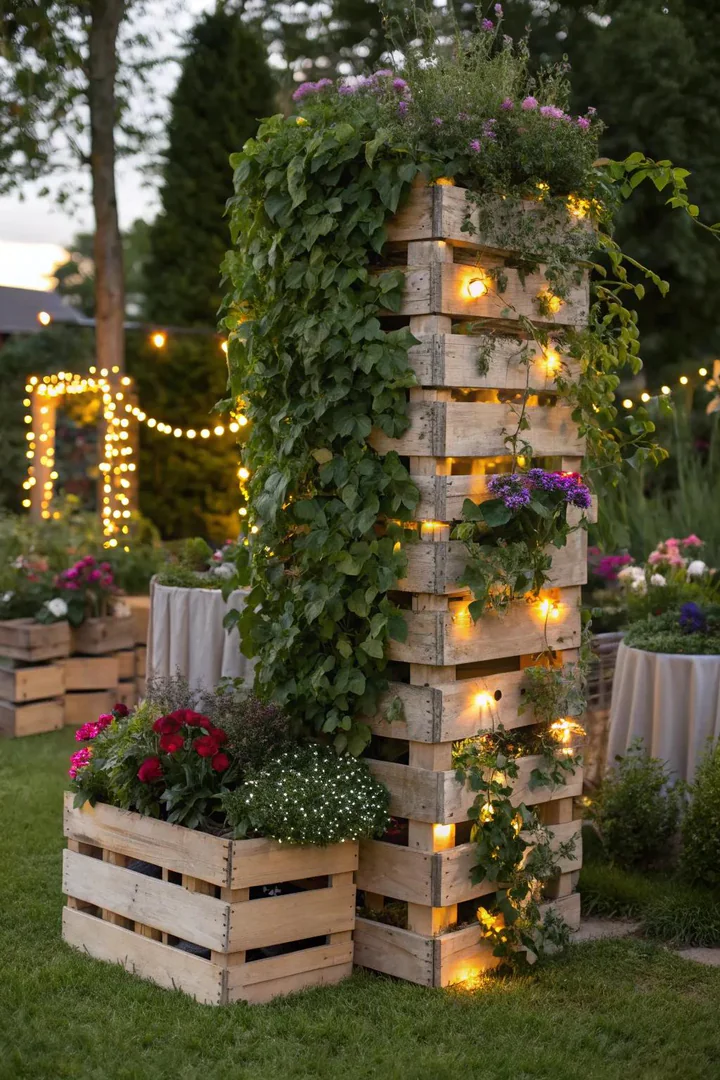
Stand 2-3 pallets on end and hinge them together ($5-$10 per pair of strap hinges) for a freestanding privacy screen that blocks sightlines between yard sections, hides trash cans or equipment, or separates a dining area from a work zone. A three-panel hinged pallet screen stands on its own in a zigzag position and folds flat for storage when not needed.
Stain or paint the screen ($15-$30 for stain or paint) in a single color for a uniform look, or alternate colors on each panel for a painted-fence effect. Plant climbing vines (morning glory, sweet pea, or clematis) at the base and train them up the pallet slats for a green screen that fills in over a single growing season. Add hooks, small shelves, or pocket planters to the face of the screen for functional display space on what would otherwise be a blank divider.
17. Pallet Picnic Table
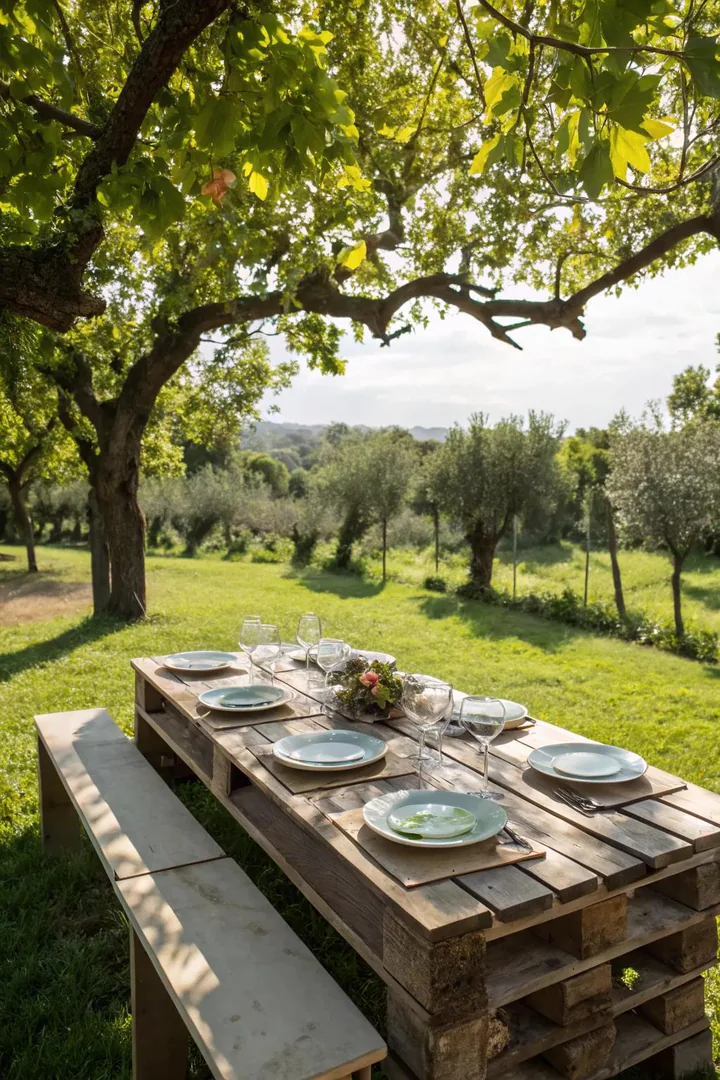
Disassemble 3-4 pallets and rebuild the boards into a traditional A-frame picnic table with attached bench seats that seats 4-6 people. Use the thickest pallet boards (typically the 3 deck boards per pallet, 5/8-3/4 inch thick) for the tabletop and bench seats, and the 2×4 stringers for the leg frames and cross-braces.
Follow standard picnic table dimensions: 30-inch table height, 18-inch bench height, and 6-inch gap between the bench edge and the table edge. Cut leg pairs at opposing 60-degree angles so they form an A-frame when screwed together, and connect the two leg assemblies with a long stretcher board at the bottom for lateral stability. Sand all surfaces thoroughly, round the bench and table edges with a router or sandpaper for comfort, and apply 2 coats of exterior stain and sealant. Browse front porch decor ideas for more outdoor seating and table projects.
18. Pallet Sun Lounger
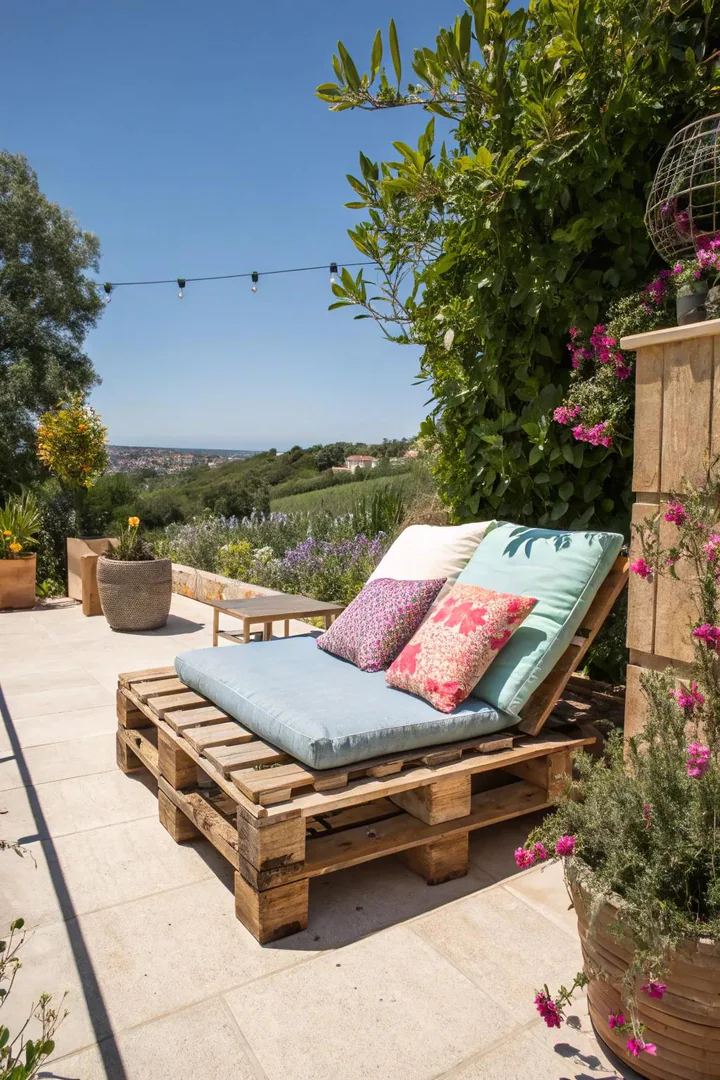
A sun lounger built from 2 pallets laid end to end (96 inches total length, enough for a full-body recline) with 4 caster wheels and an adjustable head section provides the same poolside or garden lounging position as a $150-$300 retail chaise. Cut the front 24 inches of the second pallet free from the main body and reattach with heavy-duty hinges ($8-$15 per pair) for an adjustable head/back section that lifts to 3-4 angle positions.
Prop the adjustable section with a notched 2×4 support arm that slots into position at each angle. Add a 2-inch foam pad ($15-$30 for a twin-size egg crate or camping pad) and a towel on top for a comfortable lounging surface. A pallet sun lounger on wheels rolls from shade to sun throughout the day and stacks upright against a wall or fence for compact off-season storage.
19. Pallet Vertical Garden
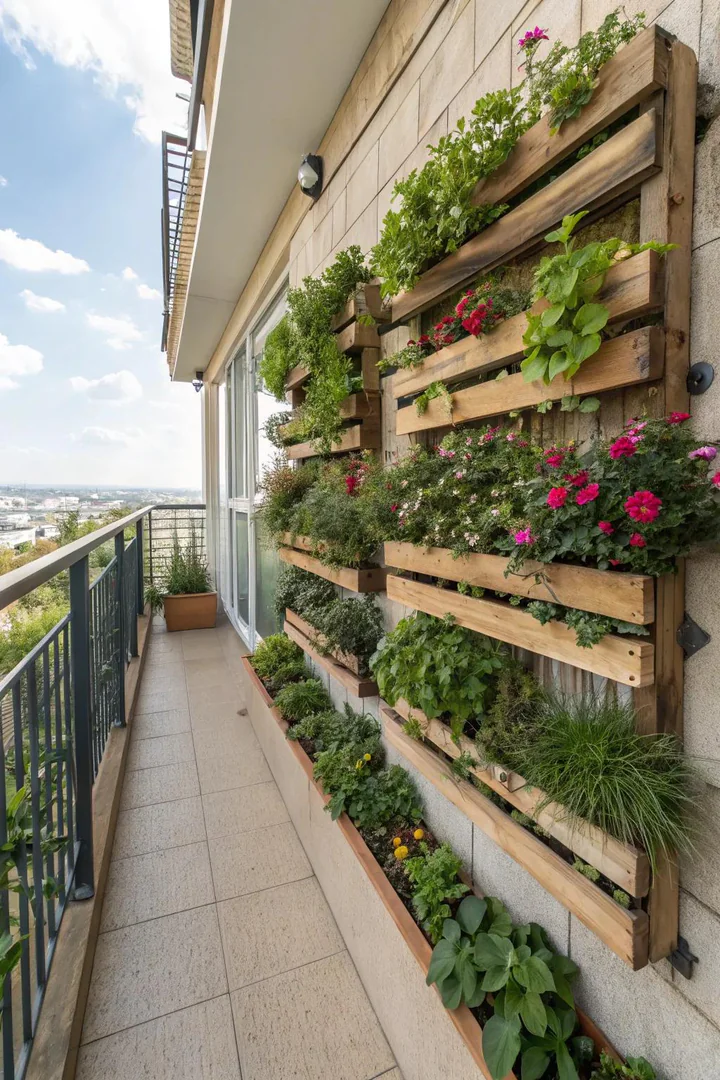
Lean a pallet against a sunny wall and plant trailing flowers, succulents, or herbs between the slats for a vertical garden that covers 13 square feet of wall space using zero ground-level planting area. Staple heavy-duty garden fabric across the back and bottom of each planting pocket, fill with potting mix, and insert transplants through the front gaps between deck boards.
Water from the top row and let gravity carry moisture down to the lower planting pockets. Trailing plants (creeping Jenny, sweet potato vine, bacopa, trailing petunias) fill in the vertical face within 4-6 weeks and drape downward for a living wall effect. Secure the pallet to the wall with 2 lag screws ($2-$5 each) through the top stringer into wall studs or masonry anchors so the weight of wet soil (50-80 pounds) doesn’t pull it forward. Check fire pit ideas for more garden accent projects using reclaimed materials.
20. Pallet Potting Bench
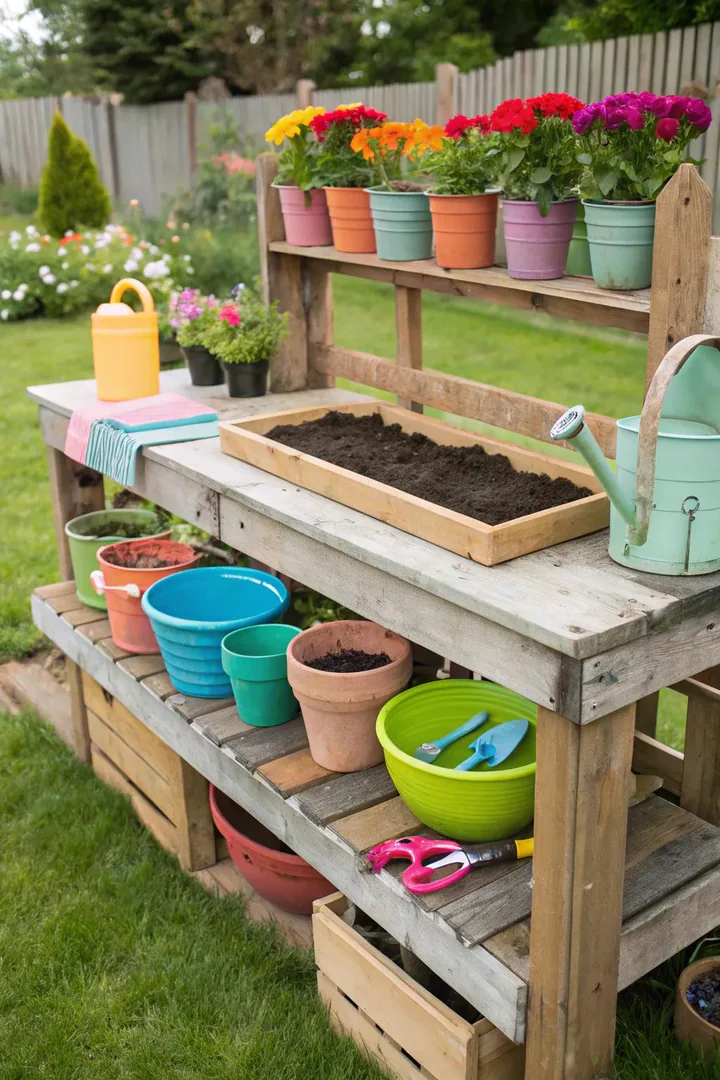
A potting bench built from 2 pallets uses one pallet standing on end as the back panel (with the slat gaps holding tools, pots, and seed packets) and a second pallet flat at waist height as the work surface. Attach the work surface to the back panel with L-brackets ($3-$5 per pair) and add 4×4 or 2×4 legs ($3-$5 each) at the front corners for a stable 36-inch working height.
Add a lower shelf (a third pallet or a plywood panel, $10-$20) between the legs for bag storage, and mount 3-5 hooks ($2-$5 each) on the back panel for hanging trowels, pruners, gloves, and twine. A built-in soil bin (a shallow plastic tub, $5-$10, set into a cutout in the work surface) holds potting mix at arm level for mess-free transplanting. A pallet potting bench costs $10-$30 total versus $80-$250 for a comparable retail potting station from a garden center or Wayfair.
Pallet Furniture Cost vs. Retail Comparison
| Furniture Piece | Pallet DIY Cost | Retail Equivalent | Savings |
|---|---|---|---|
| Outdoor Sofa | $30-$80 | $300-$800 | 85-90% |
| Dining Table | $20-$50 | $150-$400 | 85-90% |
| Garden Bar | $25-$60 | $200-$600 | 85-90% |
| Daybed | $30-$70 | $200-$500 | 85-90% |
| Bench (per seat) | $10-$25 | $80-$200 | 85-90% |
| Compost Bin | $0-$15 | $50-$150 | 90-100% |
| Potting Bench | $10-$30 | $80-$250 | 85-90% |
| Planter Box | $5-$15 | $30-$80 | 80-85% |
How to Prepare Pallets for Furniture
1. Select Safe Pallets
Use only heat-treated (HT-stamped) pallets for garden furniture. The HT stamp on the side stringer means the wood was kiln-dried to kill pests rather than treated with methyl bromide (MB stamp), which leaves a chemical residue. Avoid pallets stamped MB, pallets with no stamp (unknown treatment), pallets that smell of chemicals, and pallets stained with oil, food spills, or unknown liquids. Hardware stores, home improvement centers, and small retailers are the safest pallet sources; industrial warehouses and chemical plants produce contaminated pallets more often.
2. Disassemble Without Splitting
Pry pallet boards apart using a flat pry bar ($8-$15 from a hardware store) and a hammer, working slowly to avoid splitting the boards. A reciprocating saw ($50-$100 to buy, $20-$40 to rent per day) with a metal-cutting blade cuts through the nails between the deck boards and stringers in seconds, producing cleaner separations than prying. Remove all exposed nails with pliers or a nail puller ($5-$10) before sanding or handling the loose boards.
3. Sand All Surfaces
Sand every surface that will be touched (seat tops, armrests, table surfaces, bench edges) with an orbital sander ($40-$80 from a hardware store) using 80-grit sandpaper first to remove rough fibers and splinters, then 120-grit for a smooth finish. Pay extra attention to end grain and edges where splinters are most likely. A full pallet takes 15-30 minutes to sand with a power sander, or 45-60 minutes by hand with a sanding block.
4. Seal and Finish
Apply 2 coats of exterior stain ($15-$30 per quart from Minwax, Cabot, or Ready Seal), exterior paint ($15-$30 per quart), or clear polyurethane ($12-$18 per quart) to protect the wood from rain, UV, and ground moisture. Let each coat dry 4-6 hours (stain) or 24 hours (polyurethane) before applying the next. Sealed pallet furniture lasts 5-10 years outdoors; unsealed pallet wood grays, splits, and softens within 1-2 seasons of full weather exposure. Browse picnic table ideas for more outdoor wood furniture finishing techniques.
Frequently Asked Questions
Are pallets safe for garden furniture?
Heat-treated (HT-stamped) pallets are safe for garden furniture. The heat-treatment process uses dry kiln heat (not chemicals) to sterilize the wood against insects and fungus during international shipping. Avoid MB-stamped pallets (treated with methyl bromide, a toxic pesticide), unmarked pallets (unknown treatment history), and pallets that show signs of chemical spills, strong odors, or discoloration from industrial use. Sand all surfaces smooth and seal with a food-safe or exterior finish for added protection.
How long does pallet furniture last outdoors?
Sealed and stained pallet furniture lasts 5-10 years outdoors with annual resealing, depending on climate and sun exposure. Unsealed pallet wood lasts 1-3 years before it grays, warps, cracks, and softens from moisture absorption. Pine pallets (the most common species) degrade faster than hardwood pallets (oak, maple) in direct ground contact. Raising pallet furniture off the ground on legs, blocks, or casters adds 2-3 years of life by preventing ground moisture from wicking into the end grain.
What tools do you need for pallet furniture?
A basic pallet furniture toolkit includes a drill/driver ($40-$80), a circular saw or reciprocating saw ($40-$100), a pry bar ($8-$15), a hammer ($8-$15), an orbital sander ($40-$80), sandpaper in 80 and 120 grit ($5-$10 per pack), 3-inch deck screws ($8-$12 per box of 100), and a tape measure ($5-$10). A miter saw ($100-$200, or $25-$40 to rent per day) makes angled cuts for leg frames and backrest supports. Most pallet furniture projects require no tools beyond this basic set.
Where do you get free pallets?
Small retailers, garden centers, pet supply stores, and hardware stores often give away pallets for free from their receiving docks. Ask at the customer service desk or check the back loading area. Craigslist, Facebook Marketplace, and Nextdoor list free pallets in the “free stuff” section regularly. Large distribution centers and warehouses sell pallets for $2-$5 each through pallet recyclers. Avoid taking pallets without permission from loading docks or commercial properties, as some companies sell or recycle their pallets through contracted services.
Can you paint pallet furniture?
Sand first with 80-grit then 120-grit sandpaper, prime with an exterior-grade primer ($12-$20 per quart from KILZ or Zinsser), and apply 2 coats of exterior acrylic latex paint ($15-$30 per quart from Benjamin Moore, Sherwin-Williams, or Behr) for a painted finish that lasts 3-5 years before needing a fresh coat. Spray paint ($5-$8 per can of Rust-Oleum or Krylon) covers pallet wood quickly but requires 3-4 light coats for full opacity. Stain ($15-$30 per quart) shows the wood grain through the color and needs reapplication every 1-2 years.