
Budget-Friendly Patio Ideas That Wow (12 Stunning Makeovers!)
Budget friendly patio ideas turn an underused backyard slab, bare grass patch, or neglected concrete pad into an outdoor living space for under $500 in most cases and under $1,000 even for larger projects. A patio does not require a contractor, a permit, or a poured concrete foundation when you build with loose-lay pavers, gravel, pallets, container plants, and plug-in or solar lighting. Below are 12 budget friendly patio ideas with specific materials, products, dimensions, and costs, followed by a how-to planning guide, a comparison table, and FAQs.
1. DIY Floating Deck
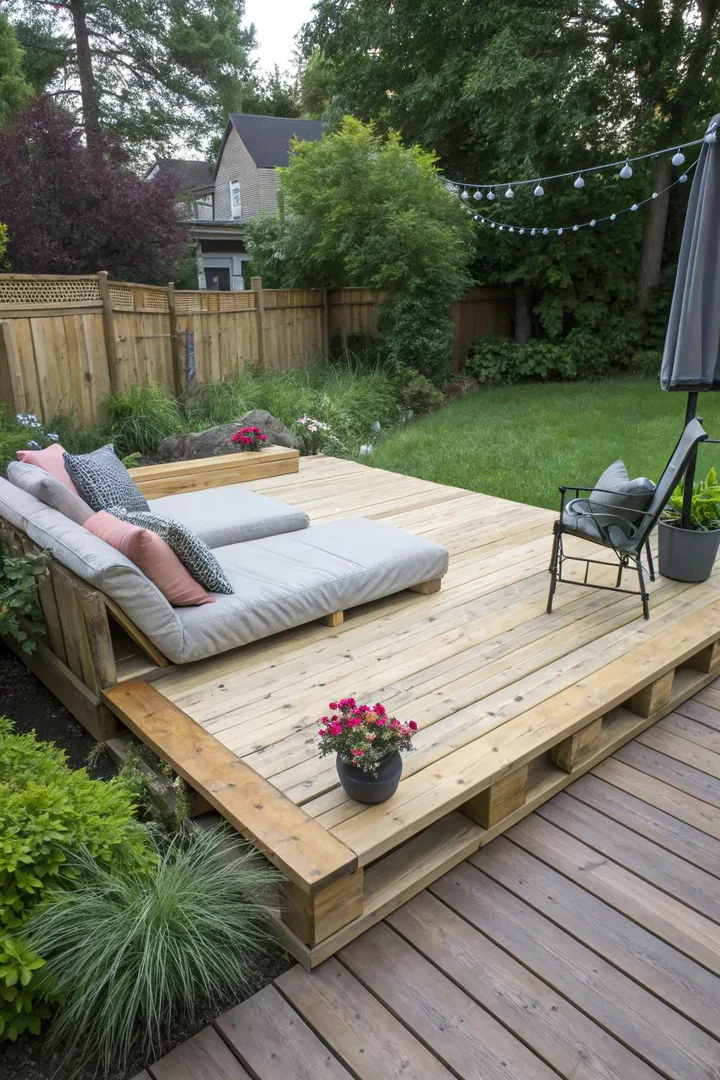
A floating deck (also called a ground-level platform deck) sits directly on the ground on concrete deck blocks ($5 to $8 each from Home Depot or Lowe’s) rather than poured footings, requiring no digging, no concrete mixing, and no building permit in most jurisdictions (check local codes for structures under 200 square feet and under 30 inches above grade). An 8-by-10-foot floating deck built with pressure-treated 2×6 joists ($5 to $8 per 8-foot board) and 5/4×6 pressure-treated deck boards ($3 to $5 per 8-foot board) costs $200 to $400 in lumber and hardware.
Place 6 to 9 concrete deck blocks in a grid pattern on level, compacted ground (rake the area flat, tamp with a hand tamper or plate compactor, and lay weed barrier fabric beneath to suppress weeds). Set 2×6 joists into the notched tops of the deck blocks, level with shims, and screw the deck boards across the joists with 3-inch exterior deck screws ($8 per 1-pound box). A floating deck can be disassembled and moved if you rent your home or want to relocate the patio later. Stain or seal the deck with Thompson’s WaterSeal ($20 per gallon, covers 200 square feet) for weather protection.
2. Gravel Patio with Edging
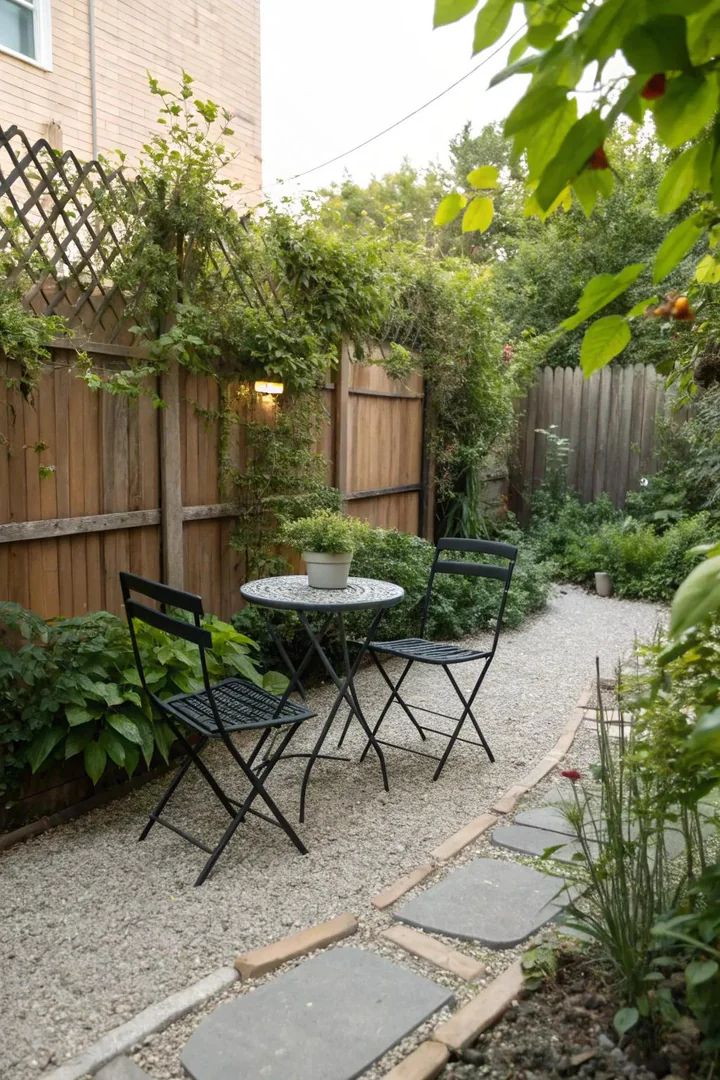
A pea gravel patio ($30 to $50 per ton, and 1 ton covers approximately 80 square feet at 2 inches deep) provides a permeable, fast-draining surface that installs in a single afternoon without concrete, mortar, or specialized tools. A 10-by-12-foot gravel patio (120 square feet) requires 1.5 to 2 tons of pea gravel ($45 to $100), 40 to 50 linear feet of edging ($30 to $80 for EasyFlex No-Dig Garden Edging or steel garden edging from Home Depot), and 4 to 6 hours of labor.
Mark the patio outline with spray paint or a garden hose, excavate 3 to 4 inches of soil with a flat shovel, install edging around the perimeter to contain the gravel, lay weed barrier fabric ($15 to $25 per 50-foot roll) to block weeds, and pour the gravel in an even 2-to-3-inch layer. Rake level with a garden rake. Decomposed granite ($40 to $60 per ton) packs firmer than pea gravel and provides a more stable surface for furniture legs. River rock (1 to 3 inches diameter, $50 to $80 per ton) adds a larger-scale natural texture. Browse more ground-level patio layouts at front porch ideas for Florida for covered outdoor seating areas.
3. Shade Pergola
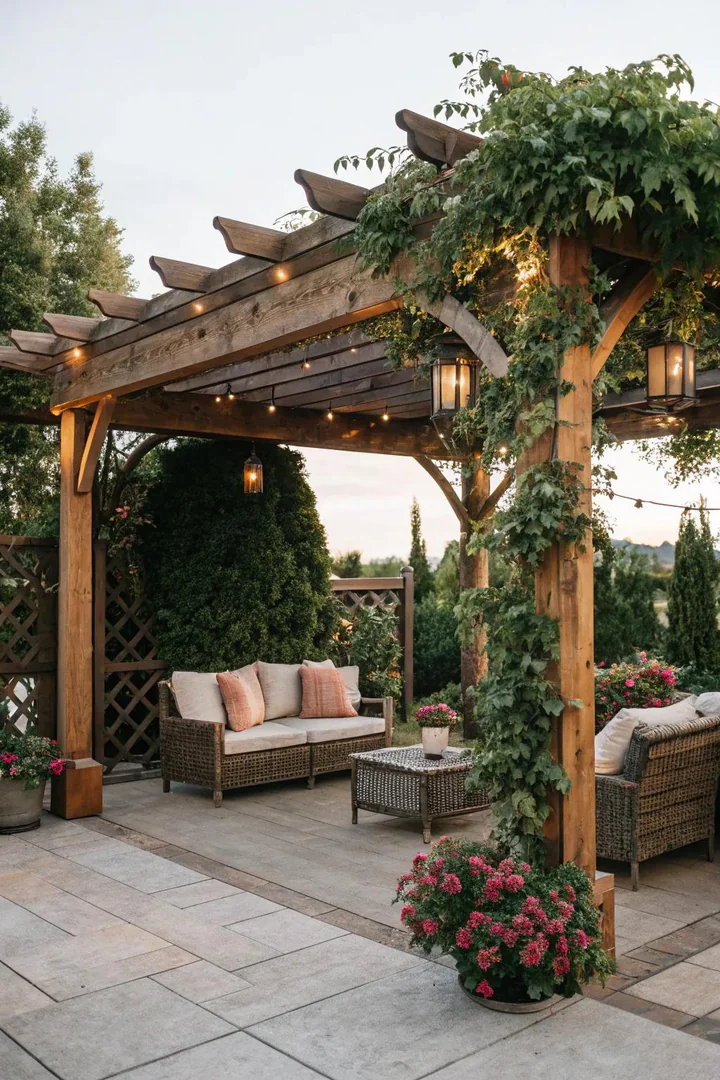
A freestanding pergola kit ($200 to $600 from Home Depot, Lowe’s, or Wayfair for a 10-by-10 or 10-by-12-foot powder-coated steel or cedar kit; Backyard Discovery Cedar Pergola, $400 to $600; Sunjoy Outdoor Pergola, $250 to $400) provides overhead shade and vertical structure that defines the patio as a distinct outdoor room. A pergola with an attached retractable canopy ($50 to $150 for a replacement canopy, included with most kits) blocks 80% to 90% of direct sunlight while allowing airflow through the open sides.
Anchor the pergola posts to the ground with ground anchors ($15 to $30 for a set of 4, included with some kits) driven into soil, or bolt the posts to concrete footings ($5 to $10 per post base bracket) on an existing concrete pad. Train a climbing vine (grape vine, wisteria, clematis, or star jasmine, $10 to $25 per plant from a nursery) up the pergola posts and across the top beams for living, leafy shade that fills in over 1 to 2 growing seasons. A vine-covered pergola provides dappled natural shade that cools 10 to 15 degrees compared to direct sun while filtering light rather than blocking it completely.
4. Loose-Lay Paver Patio
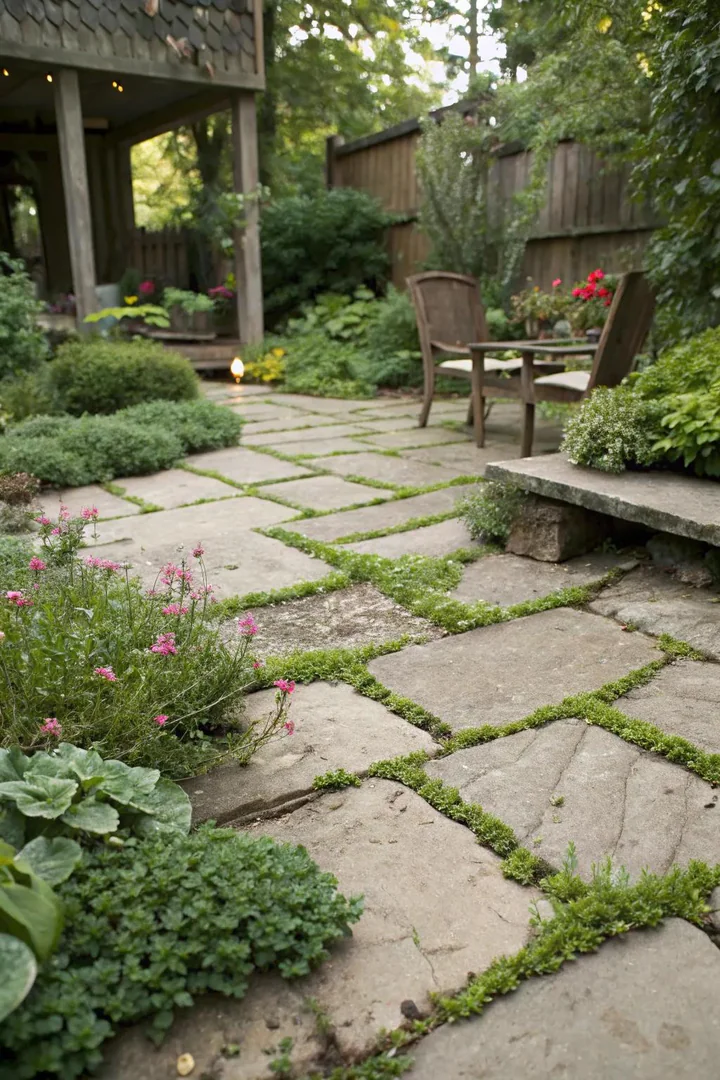
Interlocking concrete pavers ($0.50 to $2 per paver from Home Depot or Lowe’s; Pavestone 12×12 Square, $1.50 each; Holland Stone 4×8, $0.60 each) lay directly on a compacted sand base without mortar, creating a solid, level patio surface that is easy to install, easy to repair (replace individual pavers if one cracks), and easy to remove if you move. A 10-by-10-foot paver patio (100 square feet) costs $150 to $400 in pavers, sand, and edging.
Excavate 4 to 6 inches of soil, pour a 2-inch layer of compacted road base (crushed limestone or gravel, $30 to $50 per ton), add a 1-inch layer of leveling sand ($5 to $8 per 50-pound bag, 4 to 6 bags for 100 square feet), screed the sand flat with a straight 2×4, and lay the pavers in your chosen pattern (running bond, herringbone, or basketweave). Sweep polymeric sand ($15 to $25 per 40-pound bag from Sakrete or Alliance Gator Maxx) into the joints and mist with water to lock the pavers in place and prevent weed growth between joints.
5. Shade Tree Planting
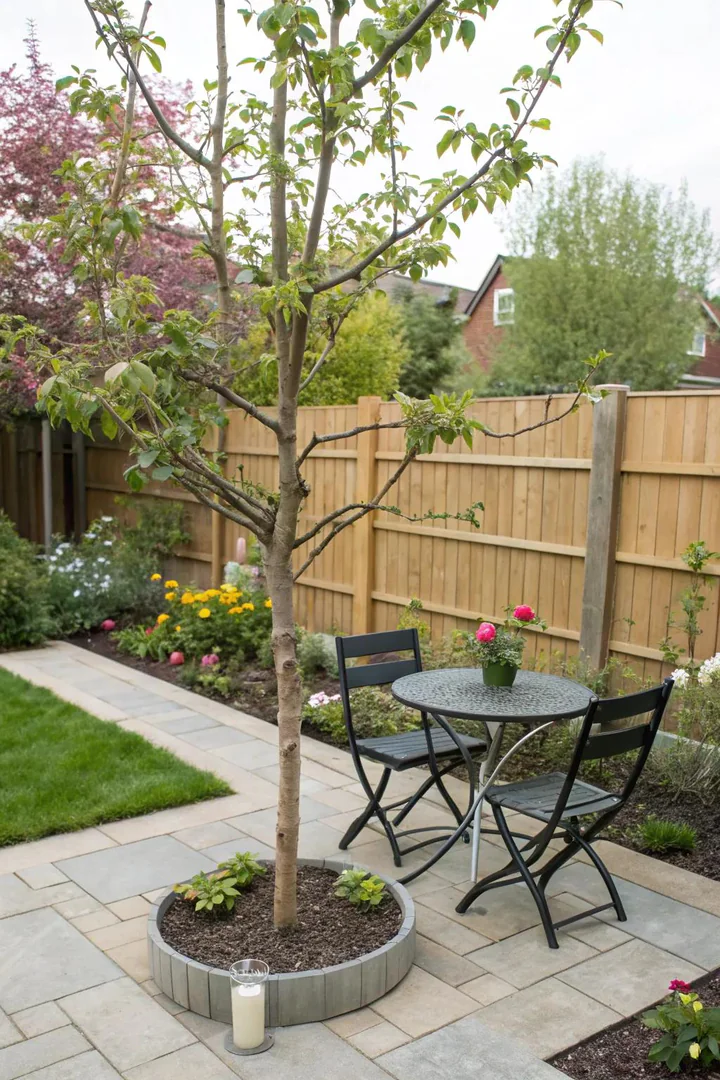
Planting a fast-growing shade tree 10 to 15 feet from the patio edge provides natural overhead shade within 3 to 5 years and can reduce patio surface temperatures by 15 to 25 degrees Fahrenheit compared to full sun exposure. Red Maple (Acer rubrum, $30 to $80 for a 5-to-7-foot tree from a nursery, grows 3 to 5 feet per year, 40-to-60-foot mature height, USDA zones 3 to 9), Tulip Poplar (Liriodendron tulipifera, $40 to $100, grows 3 to 5 feet per year, 70-to-90-foot mature height), and Autumn Blaze Maple ($50 to $120) are popular fast-growing shade trees for residential patios.
Position the tree on the south or west side of the patio (the sides that receive the strongest afternoon sun) so the canopy casts shade across the seating area during the hottest hours of the day (2:00 to 6:00 PM). Dig the planting hole twice the width of the root ball and the same depth, backfill with native soil (do not amend with potting mix, which creates a “bathtub effect” that traps water around the roots), water deeply at planting, and mulch with 3 to 4 inches of hardwood bark mulch ($3 to $5 per 2-cubic-foot bag) in a 3-foot radius around the trunk. Keep mulch 4 to 6 inches away from the trunk to prevent rot.
6. Outdoor Rugs and Throw Pillows
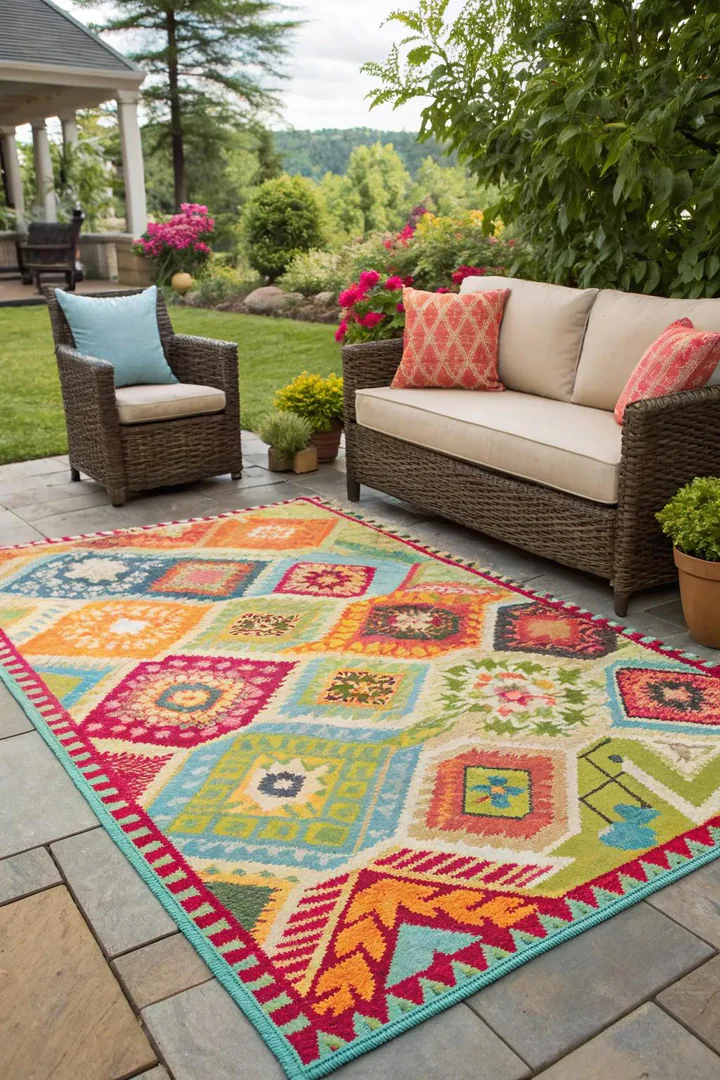
An outdoor area rug ($30 to $100 for a 5-by-7 from Safavieh Courtyard, nuLOOM, or IKEA MORUM) and outdoor throw pillows ($10 to $25 per pair from Target, IKEA, or Amazon) transform bare concrete or gravel into a furnished, room-like space for under $75 total. A polypropylene or polyester rug dries within 1 to 2 hours after rain, resists mold, and withstands UV exposure for 2 to 4 outdoor seasons before fading requires replacement.
Layer a large rug (5-by-7 or 6-by-9) under the seating arrangement and scatter 4 to 6 outdoor pillows across chairs and benches to add color, pattern, and softness. Choose pillow covers with Olefin or Sunbrella fabric (or budget alternatives from Arden Selections, $8 to $15 per pillow) that resist water absorption and mildew. Bring pillows indoors during extended rain or store them in a deck box ($40 to $80 for a 70-to-120-gallon box from Keter or Suncast) when not in use to extend their lifespan from 2 seasons to 4 or more.
7. String Lights and Solar Lanterns
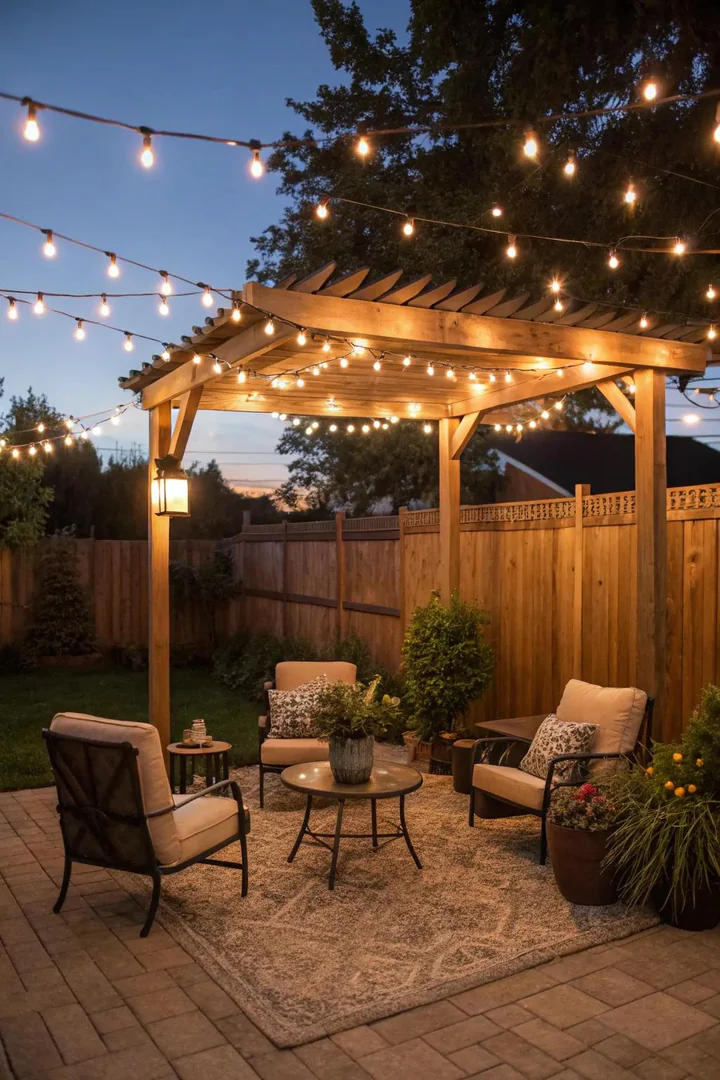
Outdoor LED string lights ($15 to $40 for a 48-to-100-foot strand from Brightech, Newhouse Lighting, or Hampton Bay) strung above the patio on poles, fence posts, or the house fascia create a warm canopy of light that extends patio use 3 to 4 hours past sunset. LED bulbs cost $0.50 to $2 per year in electricity per strand (compared to $10 to $20 for incandescent strands) and last 15,000 to 25,000 hours (5 to 10 years of nightly use).
Mount two 10-foot wood or metal poles ($10 to $20 each from a lumber yard or fence-post supplier; or use 10-foot electrical conduit pipe, $5 each from Home Depot) in 5-gallon buckets filled with quick-set concrete ($5 per 50-pound bag) to create freestanding light posts at opposite corners of the patio. String the lights between the poles in a zigzag or parallel-line pattern, 8 to 10 feet above the ground. Add solar path lights ($15 to $25 for a 6-pack from GIGALUMI or Solpex) along the patio edge and walkway for ground-level accent lighting that costs nothing to operate. See more lighting and decor ideas at trellis arbor ideas for overhead structures that support string lights and climbing plants.
8. Thrift-Store and Flea-Market Furniture
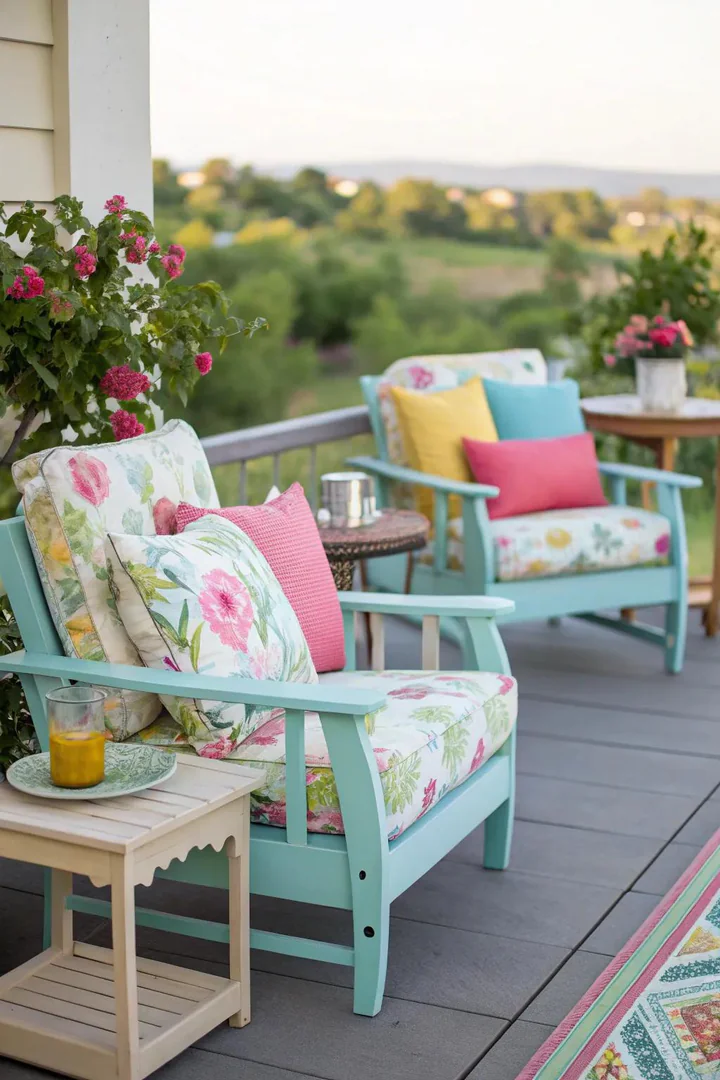
Secondhand patio furniture from thrift stores, estate sales, Facebook Marketplace, and garage sales costs 50% to 90% less than new outdoor furniture. A wrought-iron bistro set ($20 to $50 secondhand versus $150 to $300 new), a wooden Adirondack chair ($10 to $30 secondhand versus $80 to $200 new), and a vintage metal glider ($30 to $100 secondhand versus $300 to $500 new) provide full patio seating for under $100 total.
Refresh secondhand furniture with spray paint ($5 to $8 per can of Rust-Oleum Universal All Surface Spray or Krylon Fusion All-In-One; 1 to 2 cans per chair, 2 to 3 cans per table) in any color. Sand rusted spots with 120-grit sandpaper, wipe with a tack cloth, apply 1 coat of primer (if bare metal is exposed), and apply 2 to 3 light coats of spray paint for a factory-like finish. A full 4-piece patio set repainted in a matching color costs $15 to $40 in paint and takes 2 to 3 hours (including drying time between coats). Replace worn cushions with new universal outdoor seat cushions ($15 to $30 each from Target or Walmart).
9. Fire Pit Gathering Area
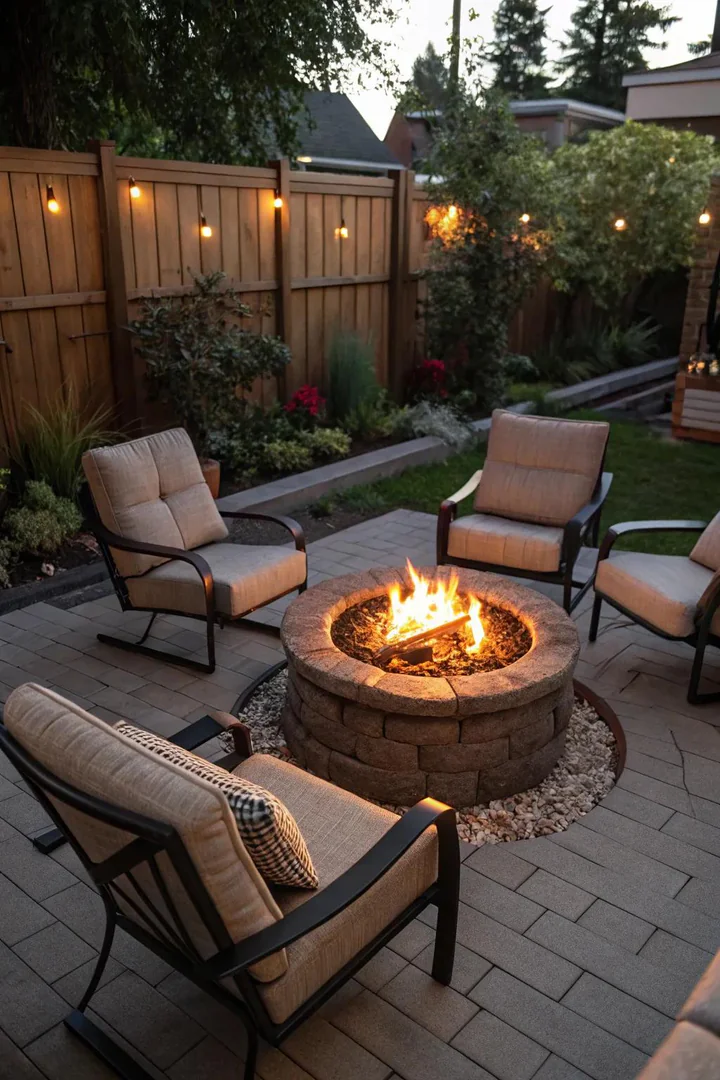
A DIY fire pit built from concrete retaining-wall blocks ($1.50 to $3 each, 28 to 36 blocks for a 36-to-44-inch-diameter ring, $42 to $108 total from Home Depot or Lowe’s) creates a permanent gathering point on or adjacent to the patio. Stack the blocks in a ring 2 to 3 courses high (no mortar needed — the weight of the blocks holds them in place), line the interior with fire brick ($1 to $2 each, optional but extends the life of the concrete blocks), and fill the base with 2 to 3 inches of pea gravel for drainage.
Position the fire pit at least 10 feet from the house, fence, trees, and any combustible structure (check local fire codes for setback requirements). A portable steel fire pit ($40 to $100 from Solo Stove Ranger at $200 for smokeless; Sunnydaze 36-inch Steel Fire Pit, $80 to $120; Amazon Basics 26-inch Steel Fire Pit, $40 to $60) provides a fire feature that can be moved, stored, or taken to a campsite without permanent installation. Surround the fire pit with Adirondack chairs ($30 to $60 each from Walmart or Amazon for resin models) or log benches (free if you have access to fallen trees — cut a 12-to-16-inch-diameter log to 48 to 60 inches long and split it in half for a flat seating surface).
10. Pallet Furniture
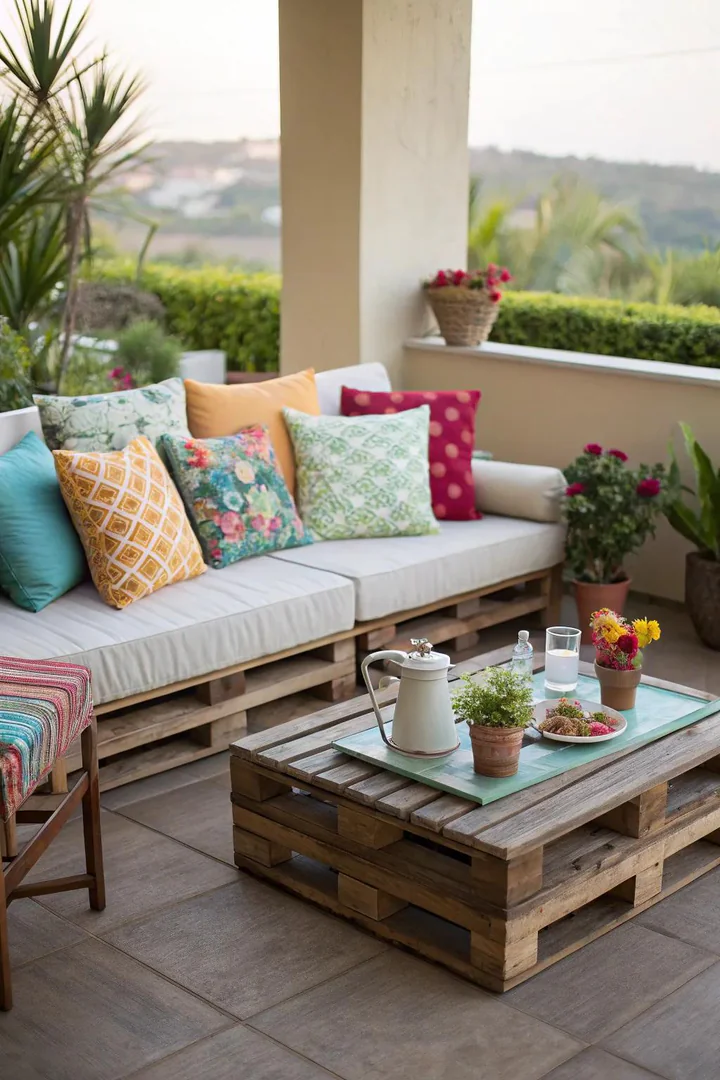
Shipping pallets (free from local businesses, warehouses, and Craigslist; or $5 to $15 per pallet from hardware stores) become patio sofas, coffee tables, daybeds, and bar surfaces with basic cutting, sanding, and fastening. A pallet sofa (2 pallets stacked for the seat base, 1 pallet stood vertically for the backrest, secured with 3-inch wood screws) costs $0 to $15 in pallets and $10 to $20 in screws, sandpaper, and stain. A pallet coffee table (1 pallet with 4 casters bolted to the bottom, $5 to $10 for a set of 4 casters from Amazon) rolls into position and provides a 40-by-48-inch table surface.
Sand all pallet surfaces with 80-grit and then 120-grit sandpaper (or a random-orbit sander, $40 to $60 from any hardware store) to remove splinters, rough edges, and any chemical treatment residue. Look for pallets stamped HT (heat-treated) rather than MB (methyl bromide treated) — HT pallets are safe for furniture use while MB pallets contain a toxic fumigant residue. Stain the sanded pallets with Minwax Wood Finish ($8 to $12 per quart) or paint with exterior latex paint ($15 to $30 per quart) and seal with Minwax Helmsman Spar Urethane ($15 per quart) for outdoor weather resistance. Add outdoor cushions and throw pillows to complete the sofa. Find more pallet project ideas at DIY pallet bar ideas for matching outdoor bar and serving setups.
11. Vertical Garden Wall
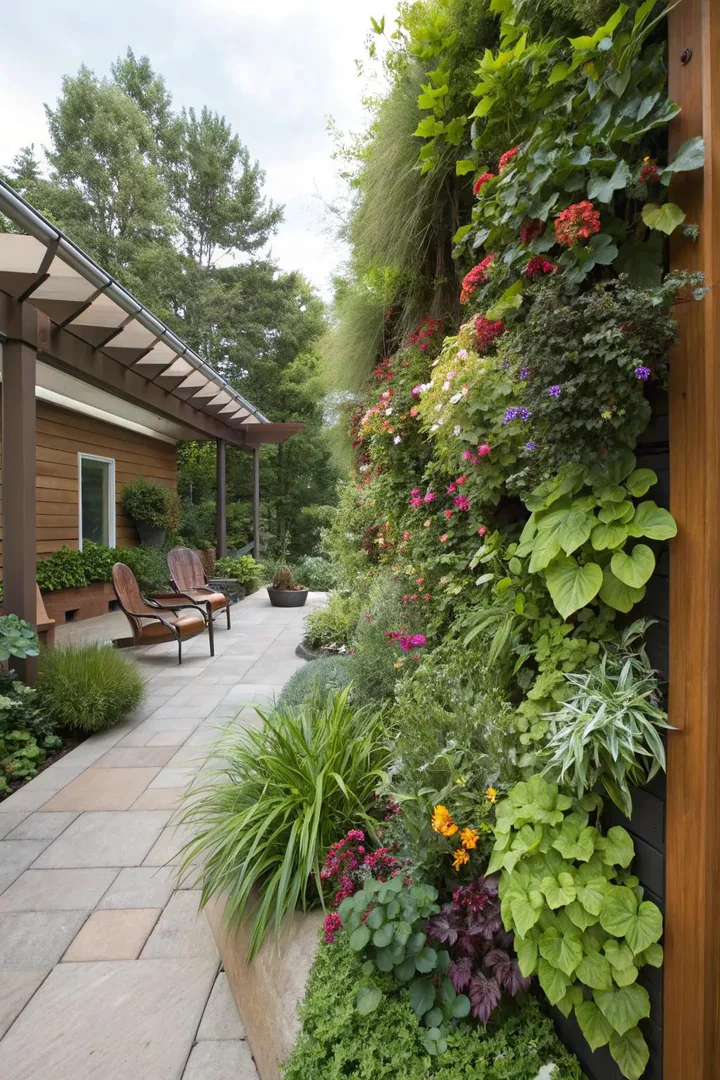
A vertical garden (plants grown on a wall-mounted frame, a pallet planter, or a set of wall-hung pots) adds greenery, privacy screening, and color to a patio without consuming any floor space. A pallet herb garden (one pallet stood vertically against a wall or fence, with weed barrier fabric stapled across the back and bottom of each slat gap to hold soil) costs $0 to $15 for the pallet plus $2 to $4 per herb plant (basil, rosemary, thyme, mint, oregano — 6 to 10 plants fill one pallet).
A modular vertical planter (Worth Garden Self-Watering Vertical Wall Planter, $30 to $50 for a 3-tier set; Mkono Wall-Mounted Planters, $15 to $25 for a set of 3 hanging pots) mounts on the fence or wall with screws and holds flowers, trailing vines, or vegetables in individual pockets. A trellis with climbing plants ($15 to $30 for a 6-foot wood or metal trellis from Home Depot; clematis, jasmine, or passionflower vine, $10 to $20 each) creates a living green wall that fills in over one growing season and provides partial privacy screening from neighbors. Visit DIY backyard hammock ideas for more backyard relaxation setups that pair with vertical gardens.
12. Container Garden Patio Border
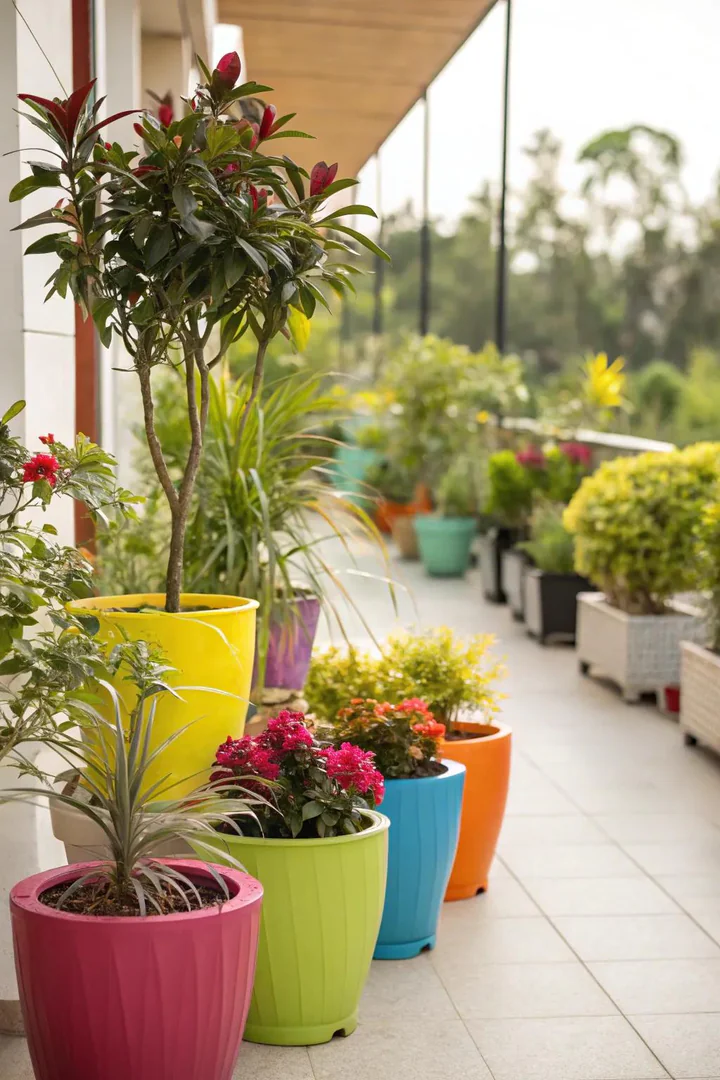
Arranging potted plants in clusters along the patio perimeter creates a garden-room effect that defines the patio boundary, adds color and fragrance, and provides a partial privacy screen from neighboring yards without building a fence or wall. Terra cotta pots ($3 to $15 each from Home Depot, Walmart, or a nursery), glazed ceramic pots ($10 to $30 each), and resin or fiberglass planters ($8 to $25 each from La Jolie Muse or Kante) provide containers at every price point.
Group pots in clusters of 3 to 5 at varying heights (a tall pot with an ornamental grass or small tree, a medium pot with a flowering annual, and a low pot with trailing ivy or sweet potato vine) for a layered, abundant look. Use potting mix with slow-release fertilizer ($8 to $15 per 2-cubic-foot bag from Miracle-Gro or FoxFarm) rather than garden soil (which compacts in containers and drains poorly). Drill drainage holes in the bottom of any pot that does not already have them to prevent root rot from standing water. A 10-pot container garden with a mix of annuals, herbs, and one small tree costs $50 to $150 total and installs in 1 to 2 hours. Browse The Designers Company for more outdoor living and garden design ideas.
How to Build a Budget Patio
1. Choose the Location and Size
Walk the yard at different times of day to observe sun exposure, shade patterns, drainage flow, and proximity to the house (a patio adjacent to the back door gets used 3 to 5 times more often than one at the far end of the yard). Mark the patio outline with spray paint, a garden hose, or stakes and string. A 10-by-10 patio (100 square feet) seats 4 people around a small table. A 10-by-14 patio (140 square feet) adds room for a fire pit or lounge chairs. A 12-by-16 patio (192 square feet) accommodates a full dining set and a separate lounge zone.
2. Pick the Surface Material That Fits Your Budget
From cheapest to most expensive per 100 square feet: pea gravel ($45 to $100), decomposed granite ($50 to $120), loose-lay pavers ($150 to $400), floating deck ($200 to $400), stamped concrete ($800 to $1,800 professional). Gravel and decomposed granite install fastest (4 to 6 hours) and require the fewest tools. Pavers and floating decks take 1 to 2 days but provide a more finished surface. Choose the surface that fits both the budget and the furniture plan (gravel is harder to set furniture legs on; pavers and decks provide stable, flat surfaces for tables and chairs).
3. Add Lighting, Greenery, and Soft Furnishings
After the surface is installed, layer on string lights ($15 to $40), an outdoor rug ($30 to $100), throw pillows ($10 to $25 per pair), and a container garden ($50 to $150 in pots and plants) to convert a bare platform into a furnished outdoor room. Add each layer over several weekends as the budget allows. Start with lighting (the single biggest ambiance improvement for the lowest cost) and add furniture, textiles, and plants over time.
Budget Patio Surface Comparison
| Surface | Cost per 100 sq ft | Install Time | DIY Level | Durability |
|---|---|---|---|---|
| Pea gravel | $45–$100 | 4–6 hours | Beginner | 5–10 years |
| Decomposed granite | $50–$120 | 4–6 hours | Beginner | 5–10 years |
| Concrete pavers | $150–$400 | 1–2 days | Intermediate | 20–30 years |
| Floating deck | $200–$400 | 1–2 days | Intermediate | 10–20 years |
| Stamped concrete | $800–$1,800 | 2–3 days (pro) | Professional | 25–50 years |
Frequently Asked Questions
What is the cheapest way to build a patio?
A pea gravel patio is the cheapest option at $45 to $100 for 100 square feet of material (gravel, edging, and weed barrier fabric). Excavate 3 to 4 inches of soil, install edging, lay weed barrier fabric, pour gravel, and rake level. Total cost for a 10-by-10-foot gravel patio: $50 to $120 including tools. Total time: 4 to 6 hours for one person. No special skills, no heavy equipment, and no mortar or concrete required.
Can you build a patio on a slope?
A gentle slope (up to 3% grade, or 3 inches of drop per 8 feet of run) can be leveled by adding extra gravel or sand on the low side. A steeper slope (3% to 8%) requires a retaining wall on the downhill side (a single course of 6-inch retaining-wall blocks, $2 to $4 each, holds back 6 inches of grade change) to create a level pad. A slope greater than 8% requires terracing (multiple stepped levels), which increases cost and complexity beyond a basic budget patio and may require a professional grading assessment.
Do you need a permit for a backyard patio?
Most municipalities do not require a permit for a ground-level patio (at grade or less than 30 inches above grade) that is not attached to the house foundation and does not include plumbing, gas, or electrical work. A floating deck, gravel patio, or paver patio built at ground level typically requires no permit. An elevated deck (more than 30 inches above grade), a structure with a roof (covered pergola or gazebo), or any project involving electrical wiring or gas lines usually requires a permit. Check with your local building department before starting — permit requirements vary by city and county.
How long does a gravel patio last?
A properly installed gravel patio (weed barrier fabric beneath, steel or plastic edging around the perimeter, 2 to 3 inches of gravel depth) lasts 5 to 10 years before needing a fresh top layer of gravel ($20 to $50 to refresh 100 square feet). Weeds may push through weed barrier fabric after 3 to 5 years; spray with a non-selective herbicide or pull by hand as they appear. Heavy rainfall may displace gravel on sloped patios; rake the gravel back into place after major storms and add edging on the downhill side to prevent washout.
What outdoor furniture is cheapest but durable?
Resin Adirondack chairs ($30 to $60 each from Walmart, Target, or Amazon; Adams Manufacturing RealComfort, $35; Gracious Living, $40) are the cheapest durable patio chairs available new. Resin (polypropylene) resists rain, UV, and mold without painting, staining, or covering. A 4-chair set costs $120 to $240. For even lower cost, shop secondhand: a wrought-iron or aluminum patio set at a garage sale or thrift store costs $20 to $80 and lasts decades with a $10 to $20 spray-paint refresh.