Detached Patio Ideas: 13 Stunning Designs for Private Backyards

Detached patio ideas place your outdoor living space 10 to 50 feet away from the house, giving you a separate destination in the yard with its own seating, dining, cooking, or relaxation zone free from roof runoff, foundation drainage, and the shadow cast by upper floors. Below are 13 detached patio designs with slab sizes, material costs, and layout plans for freestanding outdoor rooms built on concrete, pavers, or compacted gravel.

1. Fire Pit Gathering Patio
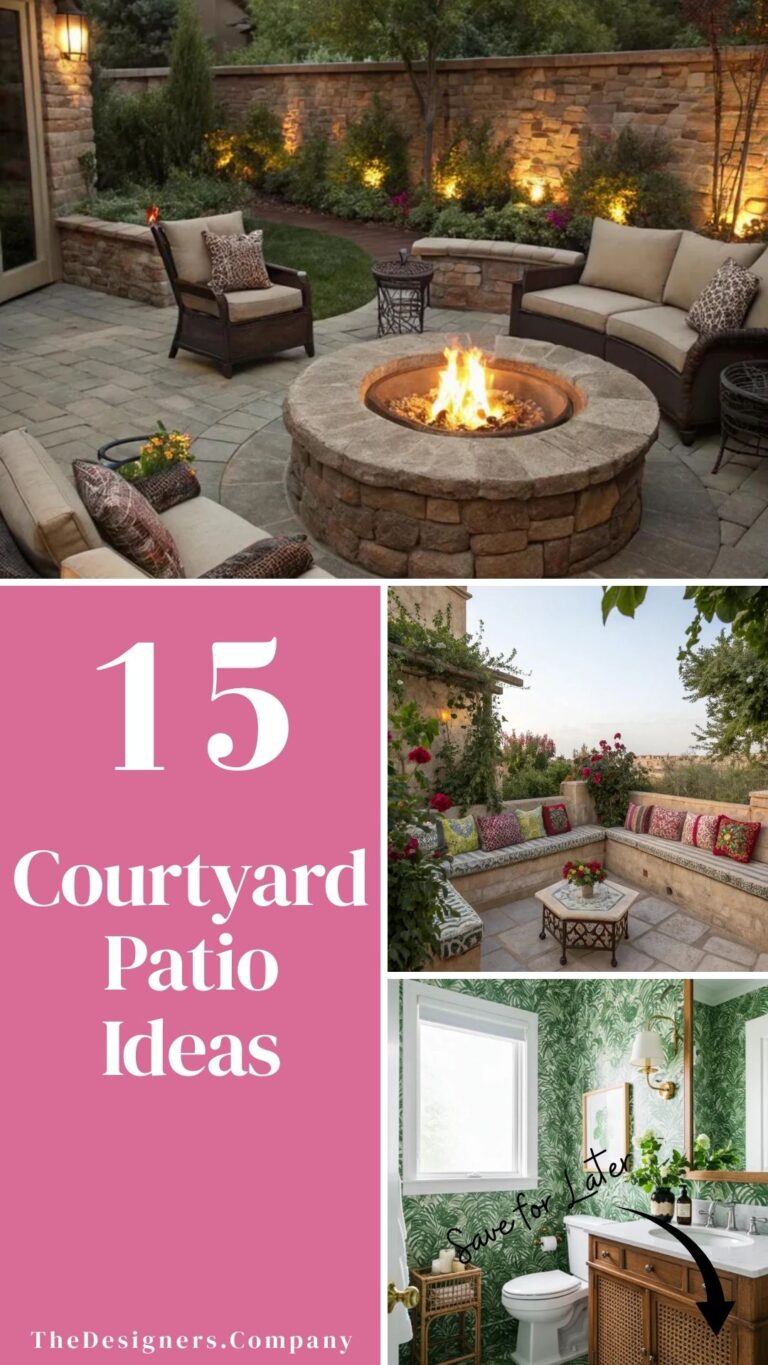
A 12-foot-diameter circular patio with a 36-inch stone fire pit in the center creates a natural gathering point in the middle or back of the yard, separated from the house by a gravel path or stepping stones. Build the circular pad from dry-laid flagstone ($3 to $8 per square foot), concrete pavers ($2 to $5 per square foot), or poured concrete ($6 to $10 per square foot) on a 4-inch compacted gravel base.
Set the fire pit ring from stacked retaining wall blocks (Pavestone RumbleStone or Belgard Weston, $2 to $4 per block, roughly 40 blocks for a 36-inch ring) on a flat base of fire-rated sand or paver base material. Space four to six Adirondack chairs ($80 to $150 each from POLYWOOD or DuroGreen recycled plastic) evenly around the pit at a distance of 36 to 48 inches from the flame edge. A fire pit patio costs $500 to $1,500 in materials for the pad, pit, and seating at a 12-foot diameter.

2. Natural Flagstone Patio
Dry-laid irregular flagstone (Pennsylvania bluestone, Arizona sandstone, Tennessee fieldstone) set in a sand bed with creeping thyme, Irish moss, or blue star creeper growing between the joints gives a detached patio a natural, organic look that blends with garden beds and lawn edges. Cut and fit the flagstone pieces like a jigsaw puzzle with 1 to 2-inch joints, and plant groundcovers in a 50/50 mix of topsoil and sand packed into the gaps.
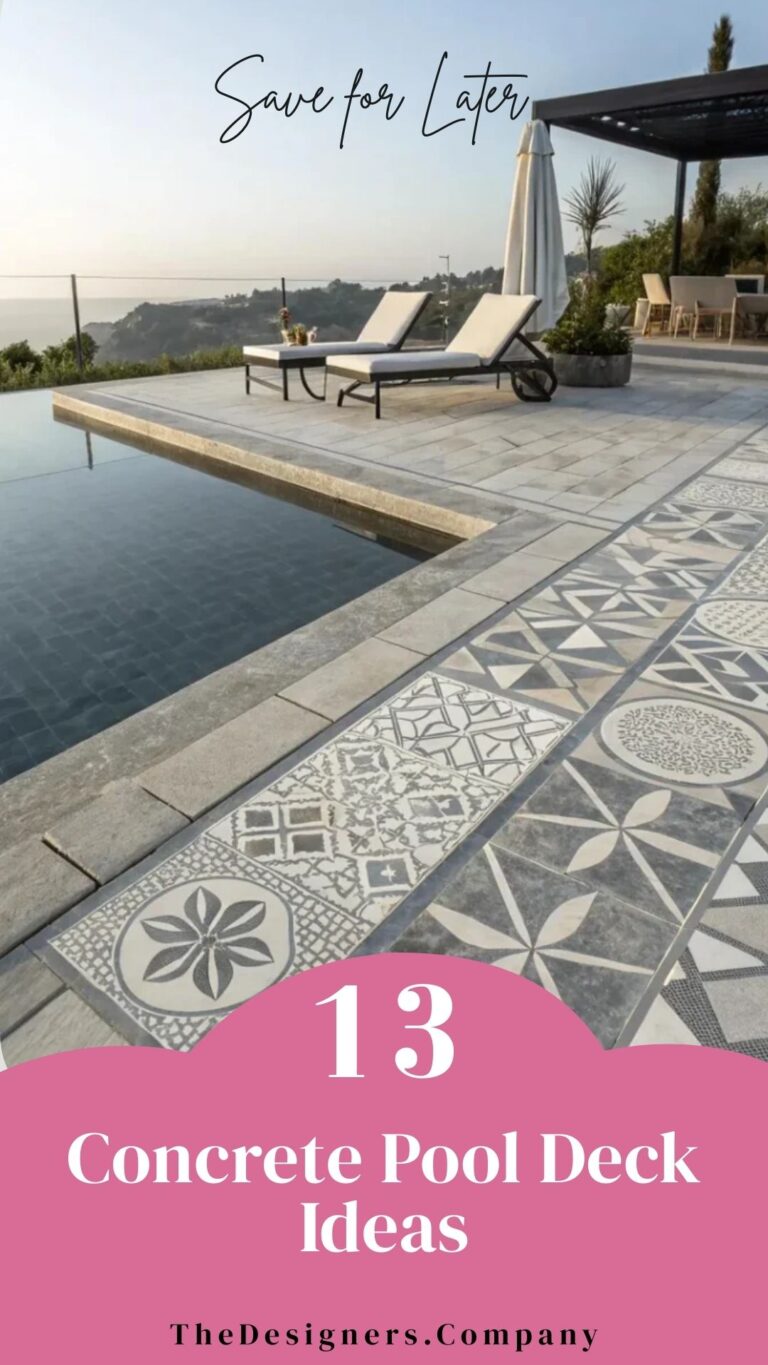
A 10 x 14-foot flagstone patio (140 square feet) costs $420 to $1,120 in stone at $3 to $8 per square foot, plus $50 to $100 for sand base and groundcover plants. Flagstone patios drain naturally through the joints, so no slope or drain pipe is needed as long as the gravel base is level and the surrounding grade does not direct water toward the patio surface. Flagstone also stays cooler underfoot than dark-colored concrete or brick pavers because the natural stone reflects more solar heat.

3. Outdoor Kitchen Patio
Building a detached patio specifically for outdoor cooking gives the kitchen its own zone away from the house, reducing smoke drift into open windows and keeping grease splatter off the home’s siding. Size the patio at 10 x 16 feet minimum for a straight-run kitchen island (8 to 10 feet long) with a 36-inch gas grill, prep counter, and under-counter storage cabinets.
Frame the kitchen island from concrete block or steel studs, sheath with cement board, and apply stone veneer ($8 to $15 per square foot) or stucco as the finish surface. Top with a 2-inch-thick granite remnant slab ($10 to $25 per square foot from a local fabricator’s leftover inventory) or poured concrete countertop. Run a natural gas line from the house meter to the detached patio (hire a licensed plumber, $300 to $800 for a 30 to 50-foot run) for unlimited fuel supply without propane tank swaps. A full detached outdoor kitchen patio costs $3,000 to $8,000 in materials for the pad, island, countertop, and gas line.

4. Pergola-Covered Detached Patio
A freestanding pergola (12 x 14 feet, built from 6 x 6 posts, 2 x 8 beams, and 2 x 6 rafters) anchored on a detached concrete or paver patio defines the outdoor room’s boundaries overhead and provides partial shade without fully enclosing the space. Set the pergola posts in post base brackets (Simpson ABA66, $12 each) bolted to the patio slab, or in concrete footings if the patio surface is pavers or gravel.
Leave the pergola rafters open for filtered sunlight, or add a retractable shade canopy ($80 to $200 from Coolaroo or Windscreen4less) that slides along the rafters on stainless steel rings for on-demand shade coverage. Stain the pergola wood (Cabot Australian Timber Oil or Ready Seal Natural Cedar, $35 to $45 per gallon) to match or contrast the patio surface color. A 12 x 14-foot freestanding pergola costs $800 to $1,800 in lumber, hardware, and stain. Browse more outdoor TV and entertainment setups for features to add under the pergola.

5. Water Feature Patio
A bubbling rock, pondless waterfall, or recirculating fountain placed at the edge of a detached patio adds sound masking (covers street noise and neighbor conversations) and a visual focal point that draws the eye toward the far end of the yard. Pondless waterfall kits (Aquascape, Atlantic Water Gardens, $300 to $800 for a complete kit) include a buried basin, pump, tubing, and decorative stone, and install in a single afternoon.
Position the water feature on the side of the patio closest to the noise source you want to mask (street, neighbors, HVAC unit). A 2 to 3-foot bubbling rock produces 50 to 60 decibels of white noise at 6 feet, which effectively masks conversations at normal volume (60 to 65 decibels) beyond a 15-foot radius. A detached patio with a pondless water feature costs $800 to $2,000 total for the patio pad and the water installation.

6. Dining Nook Patio
A compact 8 x 8-foot detached patio (64 square feet) fits a 36-inch round bistro table and two chairs, creating an intimate outdoor dining spot for two that feels separated from the main yard. Build the pad from four concrete stepping stones (24 x 24 inches, $5 to $8 each from Home Depot) set on a leveled sand bed, or pour a single 8 x 8-foot concrete slab ($200 to $400 at $6 to $8 per square foot).
Hang warm-white string lights ($12 to $20 for a 48-foot strand) from a freestanding light pole (two 8-foot 4 x 4 posts with a 2 x 4 crossbar, $30 in lumber) or from nearby tree branches. Add a 5 x 7-foot outdoor rug ($25 to $60 from nuLOOM or Safavieh) to define the dining zone and soften the hard patio surface. A complete dining nook patio costs $100 to $500 in materials and takes one to two days to build. Pair the dining nook with a nearby BBQ shelter for a full cook-and-dine outdoor setup.

7. Outdoor Living Room Patio
A 12 x 16-foot detached patio furnished with an outdoor sectional sofa (SUNCROWN 7-piece set at $600 to $900, or Outer outdoor sofa at $3,500 to $5,000 for premium weatherproof fabric) and a coffee table creates a full living room experience in the yard. Choose a sofa with Sunbrella or solution-dyed acrylic cushion fabric rated for UV and water resistance, and store throw pillows indoors during heavy rain or winter.
Position the sectional with its back to the prevailing wind direction so cushions stay dry during light breezes. Add a 9-foot cantilever umbrella ($150 to $300 from Abba Patio or Grand Patio) for shade over the seating area during daytime use. A detached living room patio costs $1,500 to $4,000 for the patio pad, sectional, umbrella, and accessories (outdoor rug, side table, lanterns).

8. Layered Rug and Floor Cushion Patio
Layering two or three outdoor rugs in complementary colors and patterns (a large 8 x 10 base rug at $60 to $120, plus a smaller 4 x 6 accent rug at $25 to $50) on a detached patio creates a boho, Moroccan, or global-inspired outdoor lounge without heavy furniture. Add oversized floor cushions ($30 to $60 each from World Market, Wayfair, or Target) and low wooden trays ($15 to $25) for a ground-level seating arrangement.
Choose polypropylene or recycled PET rugs that resist UV fading, mold, and staining, and machine-wash the floor cushion covers monthly. Store cushions in a weatherproof deck box ($50 to $100 from Keter or Suncast) at the edge of the patio between uses. A layered rug patio costs $150 to $350 in rugs, cushions, and storage, and turns any flat patio surface into a furnished outdoor room in under an hour.

9. Hot Tub Patio
A detached patio built specifically for a hot tub needs a reinforced pad rated for the filled weight of the tub (a standard 4-person hot tub weighs 2,500 to 3,500 pounds when filled with water and occupants). Pour a 4-inch-thick reinforced concrete slab (add #4 rebar on 18-inch centers in both directions) with a minimum 3,000 PSI concrete mix, sized 2 feet wider and 2 feet longer than the tub’s footprint for access and maintenance clearance.
Run a dedicated 240V, 50-amp electrical circuit from the house panel to a GFCI disconnect box mounted within sight of the tub (NEC code 680.12 requires the disconnect within 5 to 50 feet of the spa). Hire a licensed electrician ($500 to $1,500 for the circuit and disconnect installation). Surround the tub with a 3-foot-wide pressure-treated or composite deck frame ($300 to $800 in lumber) that provides a dry standing and sitting surface at tub-rim height.

10. Outdoor Movie Patio
A 10 x 14-foot detached patio with a pull-down projection screen ($30 to $80 for a 100-inch manual screen) mounted on a freestanding frame and a portable 1080p projector ($150 to $350 from YABER, Epson, or BenQ) creates a backyard cinema for movie nights, sports events, and gaming sessions. Position the projector 10 to 15 feet from the screen surface on a small table or shelf at the back of the patio.
Add two to four zero-gravity lounge chairs ($30 to $60 each from Amazon Basics or Caravan Sports) and a portable Bluetooth speaker (JBL Charge 5 at $150, or OontZ Angle 3 at $26) for a complete theater setup. Hang string lights around the patio perimeter for ambient lighting that does not wash out the projected image (warm white LEDs at low brightness work best). A full outdoor movie patio costs $300 to $700 in projector, screen, seating, and audio.

11. Reading Nook Patio
A 6 x 6-foot detached patio (36 square feet) tucked behind a hedge, under a tree canopy, or in a quiet corner of the yard provides a private reading retreat away from household noise and distractions. Build the pad from four 18 x 18-inch pavers ($4 to $8 each) or a 6 x 6-foot gravel bed ($20 to $40 for 3/4-inch pea gravel at 2-inch depth), and furnish with a single hanging egg chair ($150 to $300 from Christopher Knight Home or Modway) suspended from a freestanding frame.
Add a small 14-inch side table ($20 to $40) for a drink and a book, and plant a semi-circular border of tall ornamental grasses (Karl Foerster, miscanthus, or maiden grass) around three sides for privacy screening. A reading nook patio costs $200 to $400 in materials and creates a dedicated solo space that feels secluded even in a small suburban yard.

12. Trellis Privacy Wall Patio
Installing three to four 4 x 8-foot lattice trellis panels ($25 to $50 each for vinyl or cedar lattice) along one or two sides of a detached patio creates a green privacy wall when planted with climbing vines (star jasmine, clematis, climbing hydrangea, or Virginia creeper). Set the trellis panels in 4 x 4 post frames anchored in concrete footings at each end, or bolt them to the patio surface with post base brackets.
Most vigorous climbing vines cover a 4 x 8-foot trellis panel fully within one to two growing seasons. Star jasmine and Confederate jasmine (zones 8 through 11) add fragrance. Boston ivy and Virginia creeper (zones 4 through 9) produce brilliant red fall color. Clematis (zones 4 through 9) blooms in purple, pink, white, or red depending on the cultivar. A three-panel trellis privacy wall costs $120 to $250 in panels, posts, and hardware, plus $30 to $60 for three climbing vine plants. Check out glass sunroom builds for fully enclosed alternatives to trellis screening.

13. Yoga and Meditation Patio
A flat, level 8 x 10-foot detached patio dedicated to yoga and meditation needs a smooth, splinter-free surface (poured concrete with a broom finish, rubber pavers at $3 to $6 per square foot, or interlocking foam tiles at $1 to $2 per square foot laid on a gravel base). The surface must be firm enough for balance poses and soft enough for kneeling, seated, and supine positions.
Surround the yoga patio with fragrant plants (lavender, rosemary, jasmine, gardenia) planted in raised beds or large pots at the patio perimeter to engage the senses during practice. Position the patio facing east for morning sun exposure, or under a tree canopy for shaded midday sessions. A yoga patio costs $200 to $500 for the pad, surface material, and perimeter plantings, and provides a flat, private outdoor surface that stays cleaner than practicing on grass or bare ground. Browse all outdoor projects at The Designers Company or explore deck privacy screen designs for more seclusion options.
How to Build a Detached Patio
1. Choose the Location and Size
Walk your yard and pick a spot that gets the right sun exposure for the patio’s intended use (full sun for dining and entertaining, partial shade for lounging and reading, full shade under a tree for hot-climate relaxation). Mark the patio footprint with spray paint or string lines, and measure the distance from the house to plan the pathway or stepping stones that will connect the detached patio to the back door.
2. Prepare the Base
Excavate 6 inches deep across the entire patio footprint. Compact the soil with a plate compactor ($80 to $100 per day rental) and fill with 4 inches of compacted crushed stone (3/4-inch minus or road base, $25 to $40 per ton, one ton covers roughly 60 square feet at 4-inch depth). Add a 1-inch layer of coarse sand on top of the gravel and screed it flat with a 2 x 4 board drawn across temporary guides. A properly compacted base prevents settling, cracking, and frost heave for 15 to 20 years.
3. Lay the Patio Surface
Set concrete pavers, natural flagstone, or brick in the prepared sand bed, starting from one corner and working outward. Tap each piece level with a rubber mallet and check spacing every 3 to 4 feet with a 4-foot level. Leave 1/8-inch joints between pavers (fill with polymeric sand, $15 to $25 per 50-pound bag, swept into the joints and activated with a mist of water) or 1 to 2-inch joints between flagstone pieces (fill with topsoil and groundcover plants or decorative gravel).
4. Add Edging and a Connecting Path
Install paver edging restraints (Dimex EasyFlex, $15 for 24 feet) around the patio perimeter and anchor with 10-inch galvanized spikes every 12 inches. Build a stepping stone or gravel path from the house to the detached patio (6 to 8 stepping stones at $5 to $12 each, or a 2-foot-wide gravel path with steel edging) for comfortable foot traffic in all weather conditions. The connecting path should follow a natural walking route, not necessarily a straight line.
5. Furnish and Finish
Add furniture, rugs, lighting, and plantings according to the patio’s intended use. Run a 25 to 50-foot outdoor extension cord (14-gauge, outdoor-rated, $15 to $25) from a house GFCI outlet to the patio for string lights, speakers, or a projector, or install a permanent underground circuit (hire an electrician, $300 to $800 for a 50-foot buried line to an outdoor GFCI outlet at the patio).
Detached Patio Material Comparison
| Surface Material | Cost per Sq Ft | 140 Sq Ft Total | DIY Difficulty | Lifespan |
|---|---|---|---|---|
| Concrete Pavers | $2 to $5 | $280 to $700 | Beginner | 25 to 50 years |
| Natural Flagstone | $3 to $8 | $420 to $1,120 | Intermediate | Lifetime |
| Poured Concrete | $6 to $10 | $840 to $1,400 | Advanced | 25 to 40 years |
| Pea Gravel | $1 to $3 | $140 to $420 | Beginner | 5 to 10 years |
| Rubber Pavers | $3 to $6 | $420 to $840 | Beginner | 10 to 20 years |
| Brick | $4 to $8 | $560 to $1,120 | Intermediate | 25 to 100 years |
Frequently Asked Questions
How far from the house should a detached patio be?
Most detached patios work best 10 to 30 feet from the house, close enough for convenient access but far enough to feel like a separate outdoor room. Patios under 10 feet from the house still feel attached and are better served by a standard attached patio extension. Patios beyond 50 feet from the back door get used less frequently because the walk feels inconvenient for quick trips. Connect the house to the detached patio with a visible stepping stone path or gravel walkway so the route feels intentional.
Does a detached patio need footings?
Dry-laid patios (pavers, flagstone, gravel) on a compacted gravel base do not need concrete footings because the weight distributes evenly across the entire surface. Structures built on the patio (pergolas, fire pits, hot tubs) do need independent footings sized to their specific loads. A pergola post needs a 12-inch-diameter concrete footing 42 inches deep. A hot tub needs a reinforced 4-inch concrete slab. A fire pit ring sits directly on the patio surface or on a sand bed without additional footing.
How much does a detached patio cost?
A DIY detached patio costs $2 to $10 per square foot for materials (gravel base, surface material, edging, and polymeric sand). A 10 x 14-foot patio (140 square feet) costs $280 to $1,400 in materials depending on the surface chosen (gravel at the low end, poured concrete at the high end). Add $100 to $300 for the connecting path, $50 to $200 for lighting, and $200 to $1,000 for furniture. Total budget-friendly detached patio projects run $500 to $2,500 fully furnished.
Can you build a detached patio on a slope?
A gentle slope (under 4 inches of drop across the patio footprint) can be graded flat during the base preparation step by adding extra gravel fill on the low side. Steeper slopes (4 to 12 inches of drop) require a retaining wall on the downhill side (6 to 12-inch stackable wall blocks, $3 to $5 each) to hold the gravel base in place. Slopes over 12 inches of drop across the patio footprint are better served by a raised deck platform instead of a ground-level patio because the amount of fill material and retaining wall needed makes a slab patio more expensive than a framed deck.
What is the best surface for a detached patio?
Concrete pavers offer the best balance of cost ($2 to $5 per square foot), durability (25 to 50 years), and DIY-friendliness (no mixing, pouring, or curing time). Natural flagstone looks the most premium but costs more ($3 to $8 per square foot) and takes longer to fit because each piece is irregularly shaped. Pea gravel is the cheapest ($1 to $3 per square foot) and fastest to install but does not provide a stable surface for chairs with narrow legs or high heels, and it requires annual raking and top-dressing to maintain a level surface.